
Greetings friends, I hope you are doing well! 🙂
If you haven't yet read it, check out Mr. Jun Honda's article, SET amplifiers vs Class D amplifiers - new insights from studying the past!, where Jun-san discusses design considerations with the GaN Class D amplifier in relation to other amplifier designs.
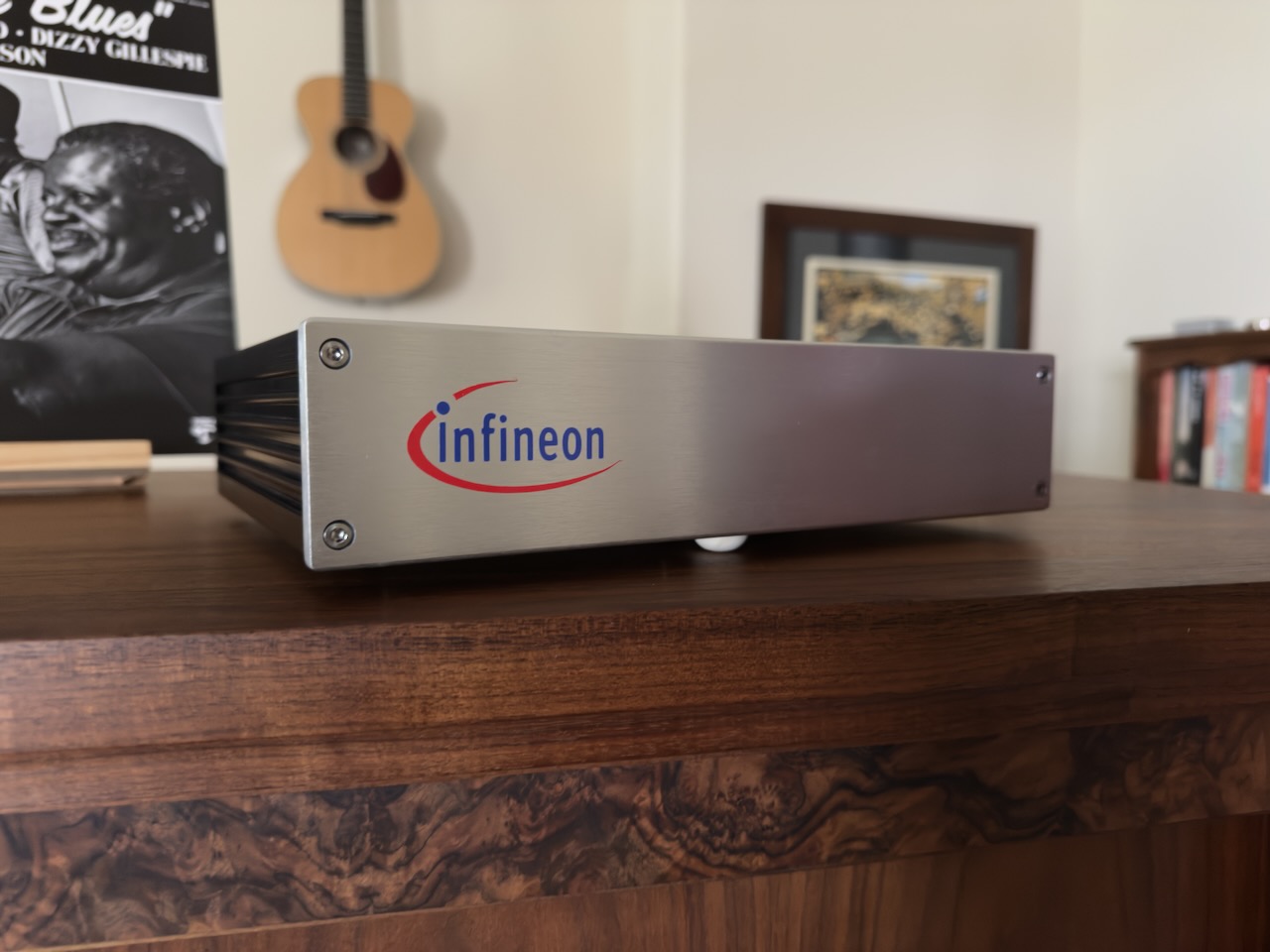
Jun-san's Infineon GaN Class D demo stereo amplifier.
In this post I want to share with you my listening impressions of Jun-san's Infineon GaN Class D demo stereo amplifier in my Altec A5 Voice of the Theatre audio-visual system, and in comparison to Nelson Pass's First Watt SIT-3 stereo amplifier, as both of these amplifiers share the goal of triode-like sound quality in solid-state designs.

Nelson Pass's First Watt SIT-3 amplifier (circa 2018). My reference for triode-like sound quality from a solid-state stereo amplifier.
Way back in 2018 when I wrote about Nelson's First Watt SIT-3, Nelson described how the power curves for his custom run of SemiSouth static induction transistors (SIT) used in the SIT-3 look quite a lot like those of 300B tubes (below), and told me how the SemiSouth SITs were notable for their rich, dimensional, and natural "triode-like" sound quality.
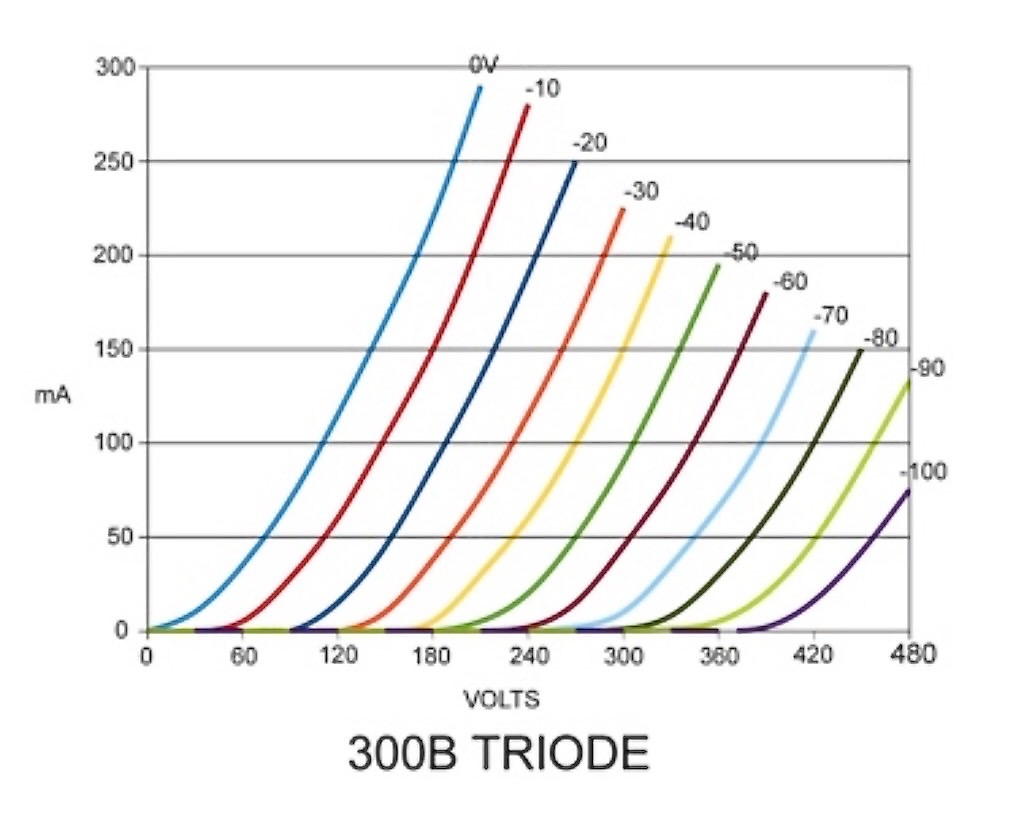
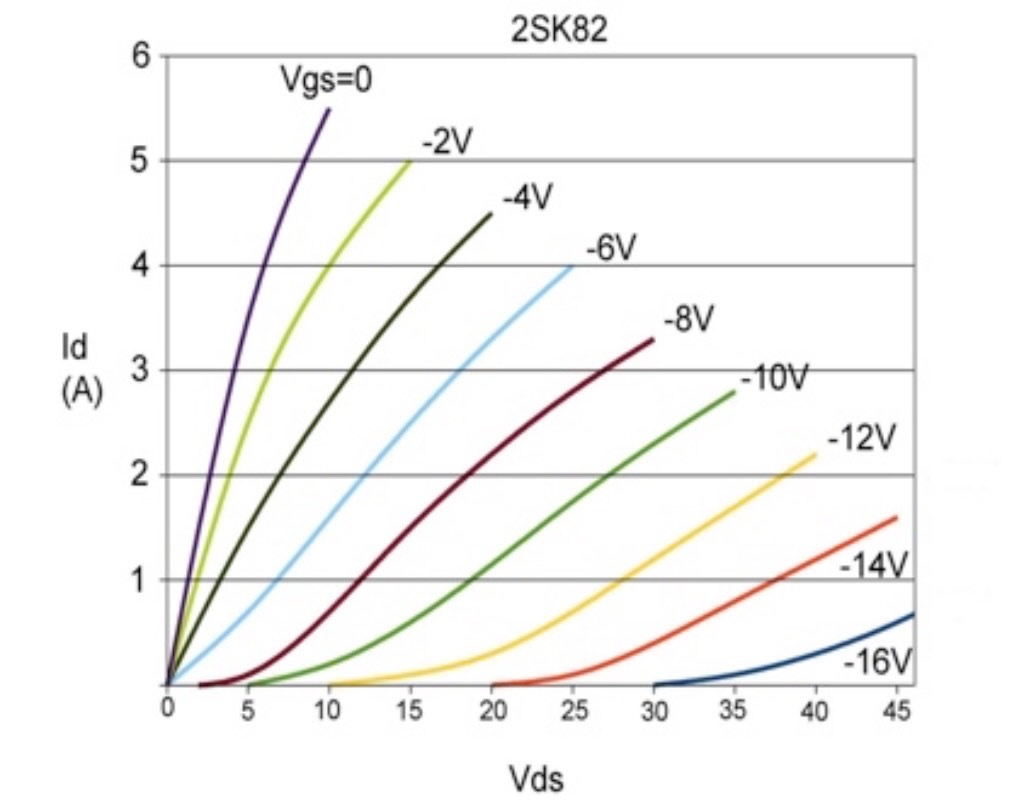
Above images courtesy of Nelson Pass.
Jun-san's Infineon GaN Class D amp is a demo amp, and is not a commercially available product yet. That will come in time. Nelson's First Watt SIT-3 is no longer in production, as the supply of his custom run of SemiSouth static induction transistors used in the design is no longer available.
I suppose these listening impressions are a bit of a tease in that you can't buy either of these amplifiers at the moment. Well, I suppose you could look for a preowned SIT-3, but good luck finding one, owners tend to keep them.
However, given that Nelson's SIT-3 was a breakthrough in triode-like performance in a solid-state design, and personally I consider the SIT-3 to be an important milestone in solid-state amplifier design, I thought it would make for a good comparison for Jun-san's Infineon GaN Class D amp to get an idea of its potential.
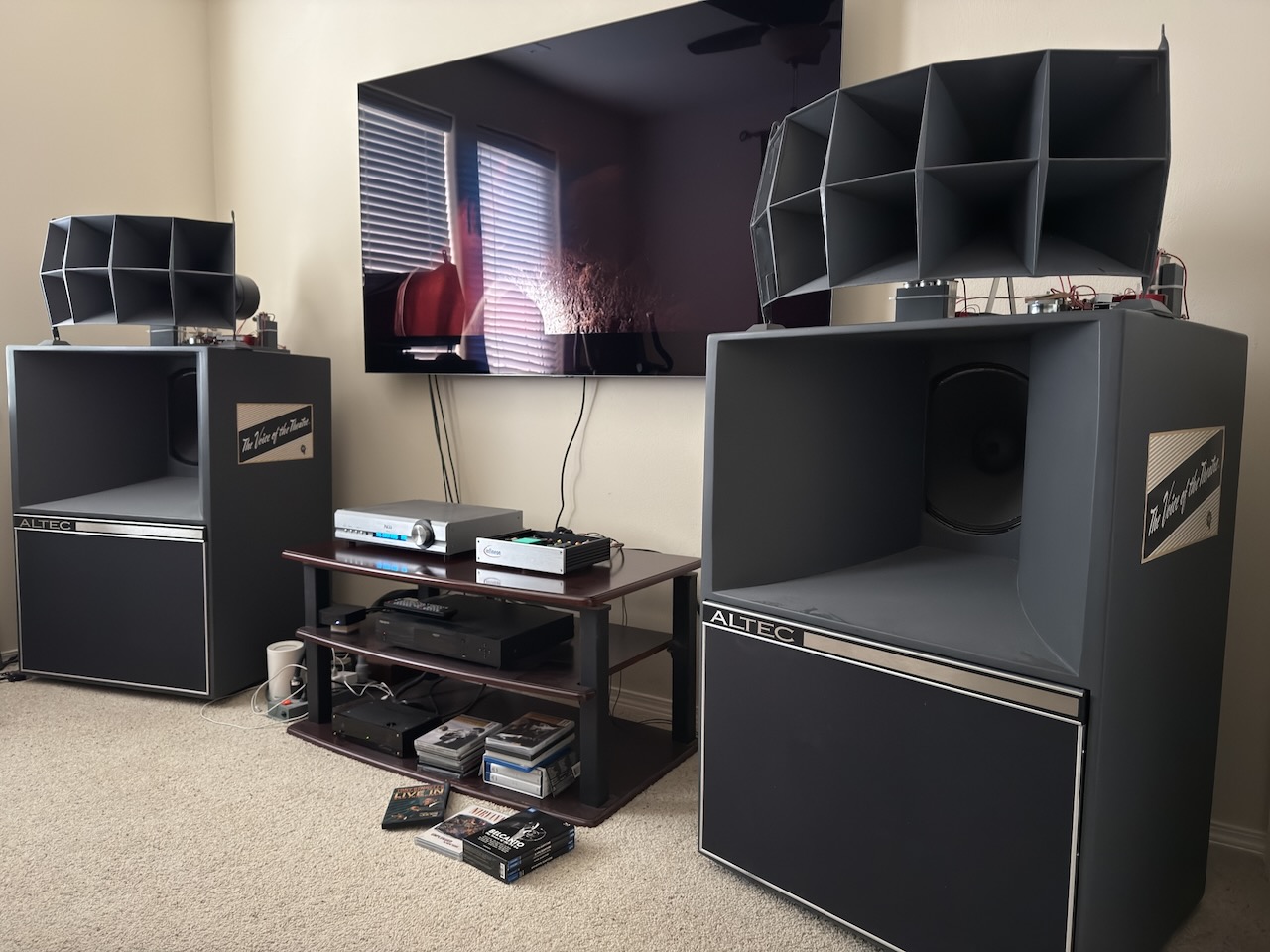
Above: Vintage Altec A5 Voice of the Theatre loudspeakers based audio-visual system.
So for context, my audio-visual system is in the above photo, and the components complement - at the moment - are my 77" LG OLED C3 Evo television for enjoying movies or TV shows, an OPPO UDP-203 Blu-ray player for spinning DVDs or Blu-Rays, or an occasional CD. I also stream channels from my Apple TV (connected to the LG C3 via HDMI), with surprisingly good results. The LG connects via an optical cable connection to a Mhdt Laboratory Havana vacuum tube DAC, with signal output to the Pass Labs XP-12 line level preamplifier, which is connected by Belden 8402 tinned-copper microphone cables to either the GaN Class D amplifier or the SIT-3, which are in turn connected to my Altec A5 Voice of the Theatre loudspeakers with Duelund DCA16GA tinned-copper speaker cables.
One thing that I'm finding more often lately is that trying to do quick A-B style listening comparisons with audio components that have a long warm-up time, or that require a fairly lengthy settling-in time after being removed from a system then reinstalled, is that one just doesn't get a very good idea of actual performance from quick comparisons. You have to listen longer than that.
For those kinds of components, it's better to just collect impressions over a longer listening period after the product is fully settled-in and warmed-up.
For example, Jun-san has told me that it takes about 3 days for the GaN Class D amp to settle back into a system after it has been removed and reinstalled, and it has a typical amplifier warm-up time of about 45 minutes.
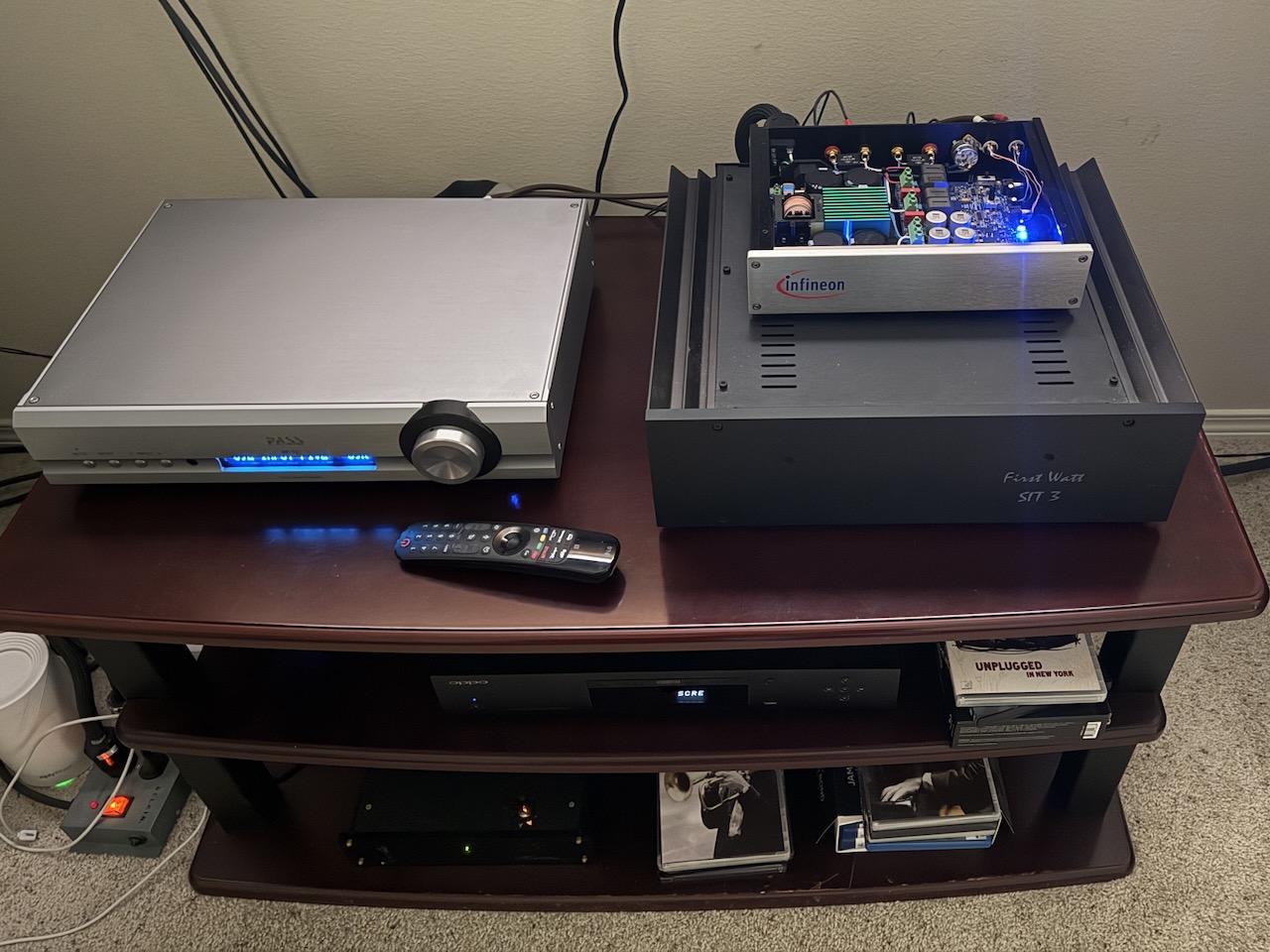
Infineon GaN Class D amp with First Watt SIT-3 amp for a size comparison.
I sat the GaN Class D amp atop the SIT-3 in the photo above to give you an idea of the size of the two amplifiers. Into 8 ohms loudspeaker loads the GaN Class D amp is capable of about 100 watts output, and the SIT-3 about 18 watts. So not only is there a big difference in size, but also power output. The GaN Class D amp has a touch over five times the power output of the SIT-3.
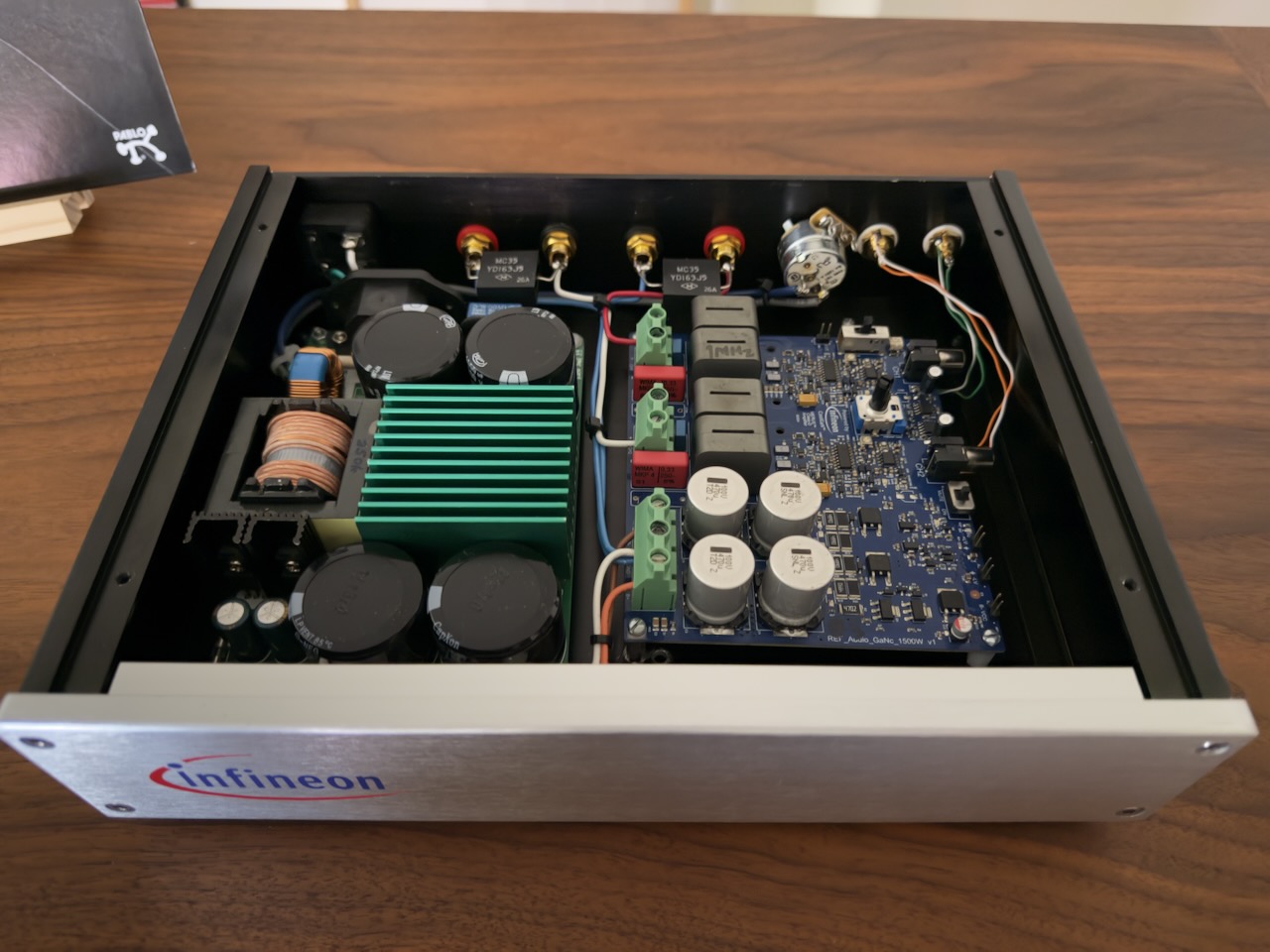
Inside the Infineon Class D amplifier.
To briefly recap for you how the SIT-3 works, here's a snippet of Nelson's explanation (you can read the full explanation in my article about the SIT-3 HERE):
"The SIT-3 goes in another direction, using Common Drain operation, where the signal goes into the gate pin and comes out the source pin and the drain of the FET is grounded (literally attached to ground). This mode only provides current gain—voltage gain is provided by a high-quality voltage step-up transformer (photo below - Jeff) which takes the input signal from a preamplifier (or other device) and boosts the voltage. There is no phase inversion at the loudspeaker terminals."
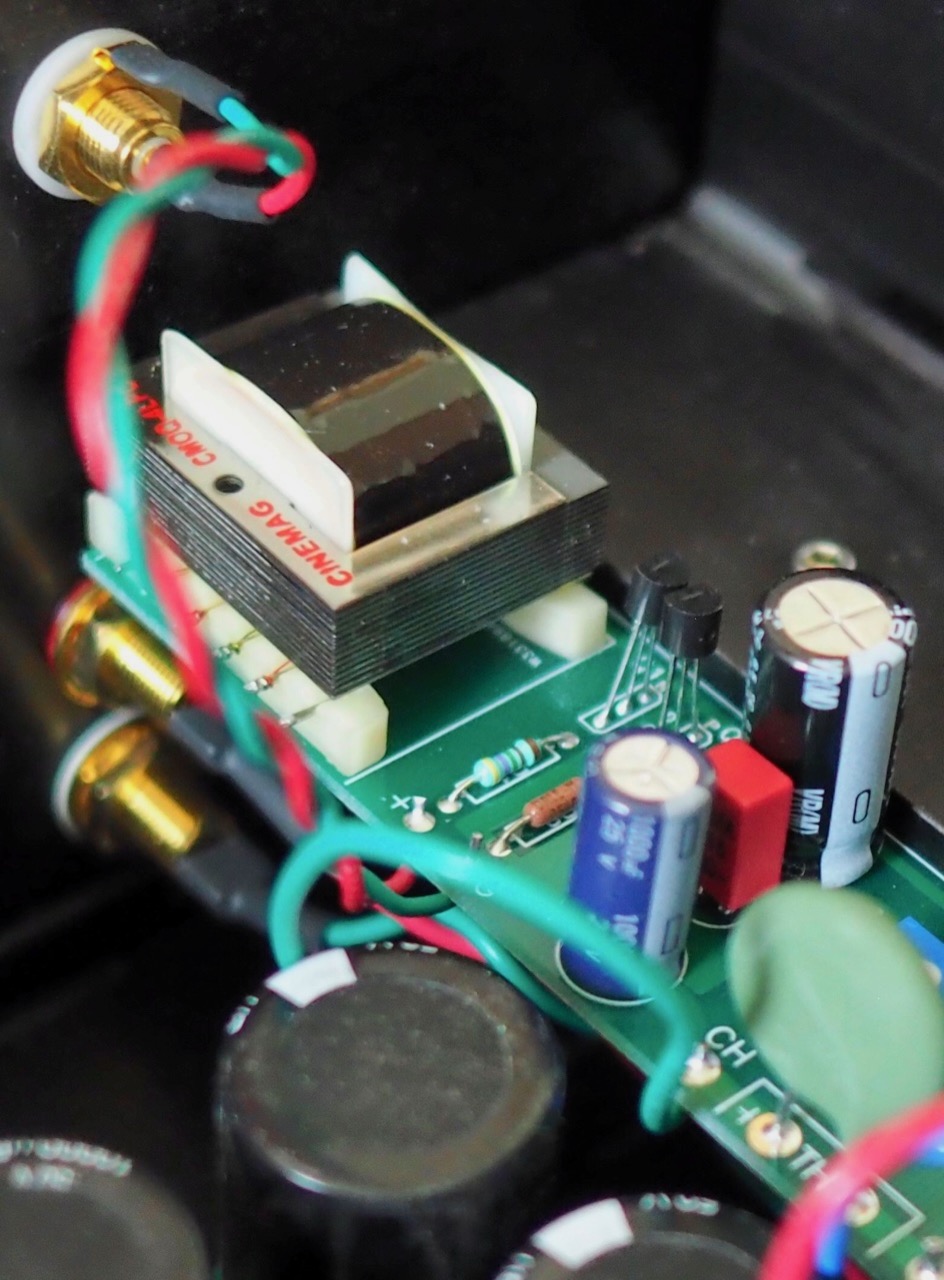
Inside the SIT-3: the internal SUT for voltage boost.
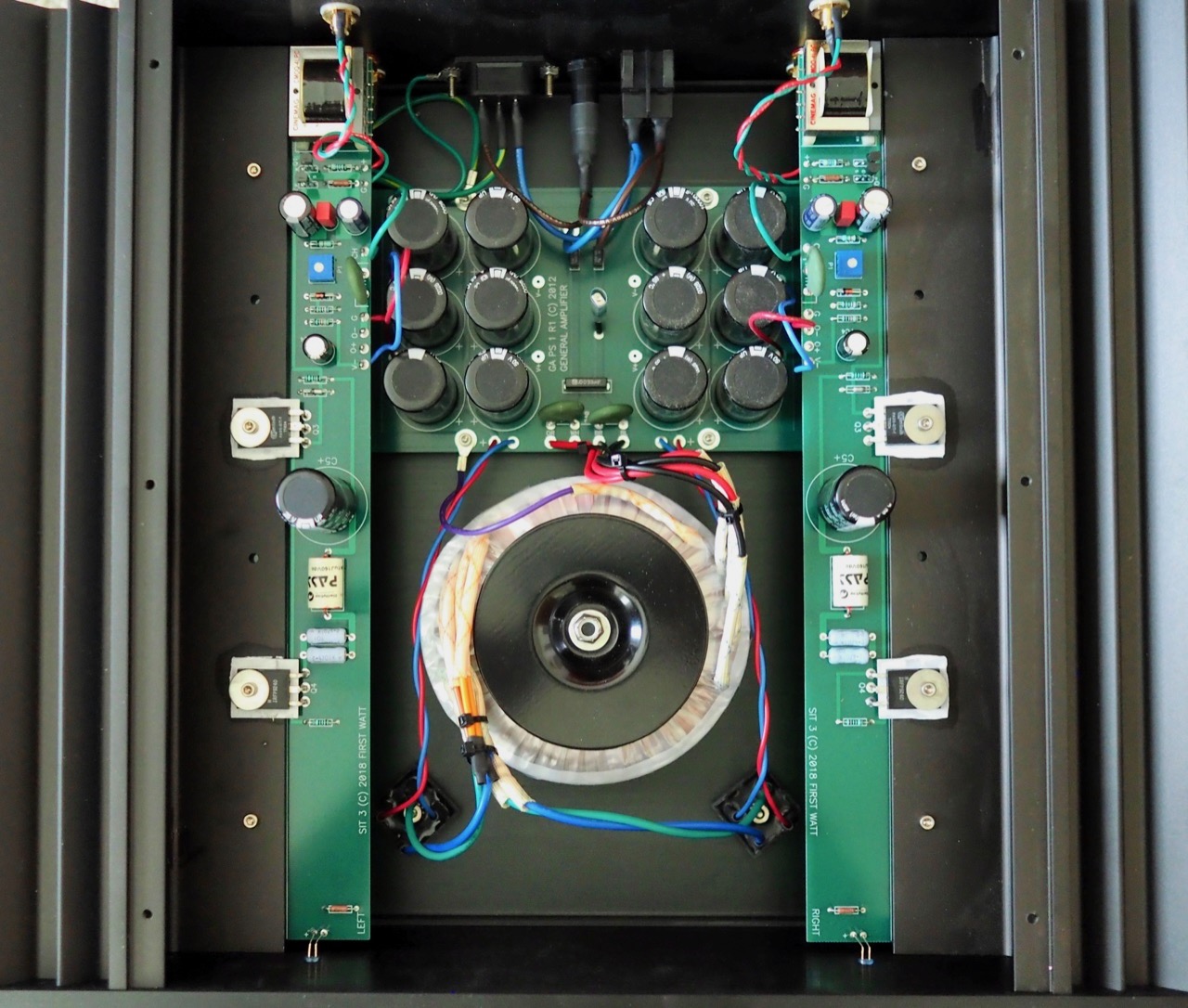
Inside the SIT-3. That's a beefy-looking power supply!
All of my initial listening impressions for the GaN Class D and SIT-3 stereo amplifiers were while watching movies or TV shows, so my impressions are based on the accompanying soundtracks, dialog, and foley effects. I'll get more music-specific in my impressions as I continue to explore their performance.
Both of these amplifiers are impressive performers once they have fully settled in and warmed up. Speaking of warm, the SIT-3 puts out quite a lot of heat, while the GaN Class D amplifier is cool as a cucumber.
What comes to mind when I listen to these amplifiers is kind of analogous to what I heard as the conversion signature on master tapes that were transferred by PCM and DSD conversions when streaming digital files.
I heard high-resolution DSD having a resolution advantage over PCM, but the DSD conversion signature made it decidedly lower-contrast sounding compared to the processing signature for PCM, which has more of high-contrast conversion signature. The PCM I found to be more tonally colorful, and more dramatic and forceful in its presentation of dynamics.
So what does that mean in terms of listening to these two amplifiers?
The GaN Class D amplifier has more clarity, is more information-rich & detailed-sounding, more resolving of timbral nuance, recovers more abundant low-level information, and has a lower-contrast presentation compared to the SIT-3. The GaN amp is capable of throwing a huge sense of ambient space if it is present in the recording, and it is smoother and more neutral sounding in its overall voicing.
The SIT-3 static induction transistor amplifier is warmer and lusher sounding tonally, more like a 300B SET amp, compared to the GaN Class D amp's more 45 SET-like leaner and more transparent presentation. The SIT-3 sounds bolder and more dramatic in its presentation of dynamics, more colorful tonally, and aural images have more of a solid feel to them. Even though the SIT-3 has one-fifth the power output compared to the GaN Class D amp, the SIT-3 actually sounds more powerful because of the way it renders dynamics, even though it is not. It is also apparent with the SIT-3 that there's less low-level information near the noise floor present than with the GaN Class D amp.
I think it is fair to say both of these are very high-performing amplifiers, with an endearing vacuum tube triode-like sound quality, and both may very well represent milestones in solid-state amplifier design for their respective design genres.
This is my first foray into sharing listening impressions about the GaN Class D amplifiers in comparison to other amplifiers. I have a couple of other excellent solid-state amplifiers I want to compare it to in my A-V system, so expect to read more about that in the not too distant future. Then I'll compare to an SET amp, the Triode Lab 45 EVO SET integrated amplifier.
As I get a little further along with the GaN Class D amplifier, I'll move it into another audio system, one that I use mostly for music listening, and tell you more about its performance in a music only context.
As always, thanks for stopping by, and may the tone be with you!
Previous articles in this series about the Infineon GaN Class D amplifier:
From Mr. Jun Honda: SET amplifiers vs Class D amplifiers - new insights from studying the past! HERE
First Impressions: Jun-san's Infineon GaN amplifier! Is this the end of a 100-year era in audio amplifiers, and the beginning of a new one? HERE
"World Premiere" of the Infineon GaN Class D amplifier technology! A new "SET" for the 21st Century? HERE
Exciting news: "... a landmark development in the century-long history of amplifiers." HERE