
Greetings friends, I hope you are well! 🙂
This is the continuation of my Part 1 post, where I compared the Tomei and Ongaku using the Audio Note UK CD 5.1x Red Book CD player as a source.
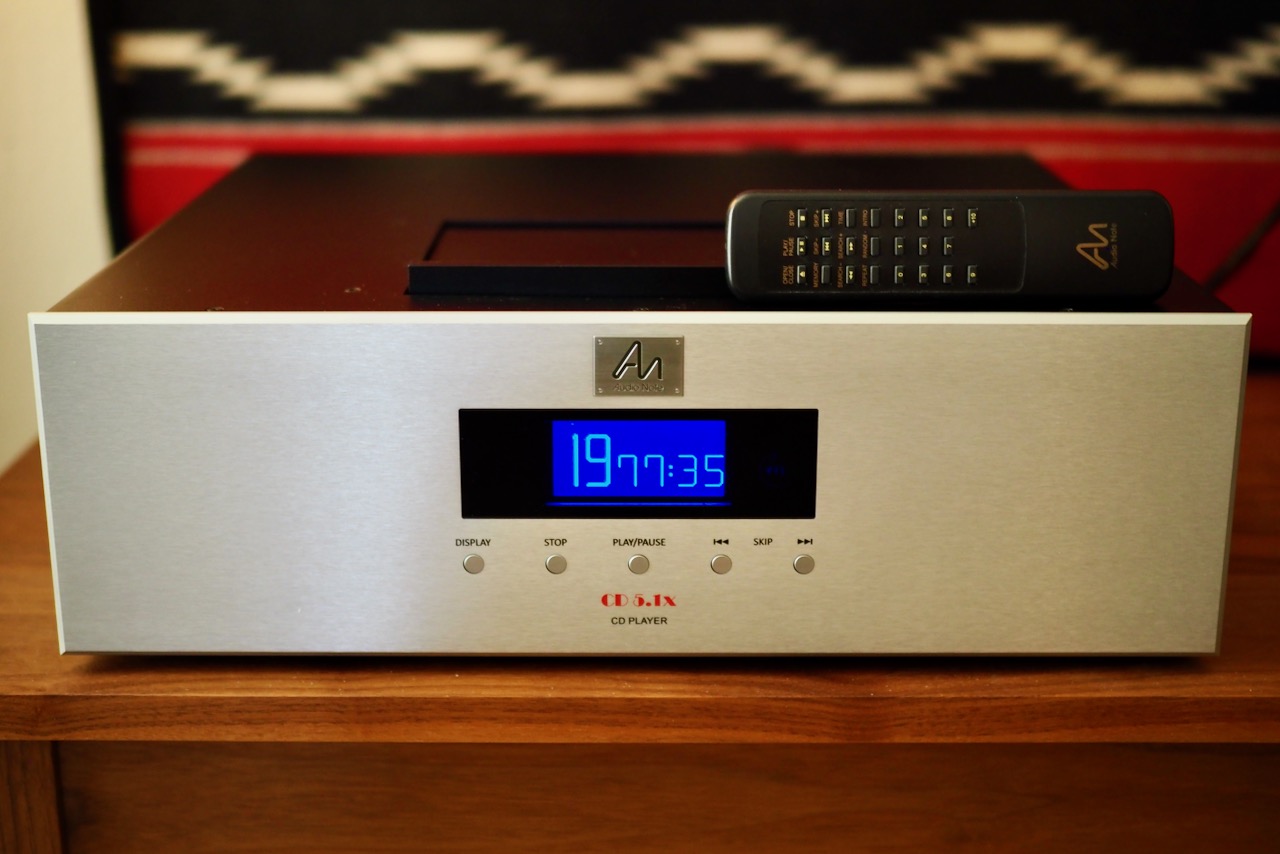
Audio Note UK CD 5.1x Red Book CD player.
You might remember that when I compared the CD 5.1x to a high-definition DSD / PCM streaming DAC, the CD 5.1x could basically go toe-to-toe with the hi-rez DAC even when it was playing 24 bit / 192 kHz PCM or DSD256 files, and that was with the CD 5.1x playing regular ol' Red Book CDs. That impressed me.
The CD 5.1x also revealed something to me about the processing signature of DSD that I didn't really care for. DSD displayed a low-contrast presentation that I felt was underwhelming from a dramatic, emotional engagement standpoint, even though it had more resolution. DSD lacked "life" in its playback.
I much preferred the high-contrast dramatic engagement ability I was hearing from PCM over the emaciated low-contrast presentation of DSD. That was the first time I have listened to high-resolution DSD256, and while it did some things well, it was not something I thought was an overall performance advancement.
Comparing PCM and DSD with the hi-rez streaming DAC playing both, it was easy to hear this difference in high-contrast PCM and low-contrast DSD, and the streaming DAC presented PCM much more convincingly in regard to dramatic presentation than it did DSD.
However, as an audio writer-reviewer-enthusiast, I want to keep an open mind, so without hesitation I cast all of my preconceived ideas aside when reviewing new technology, so that I am open to all possibilities.
What constitutes “high-performance” with one component, or in this case a digital processing signature, can be outperformed as time marches on to the next component being examined. I will be curious to hear whether a more dramatic high-contrast presentation is possible with DSD in the future. I hope so.
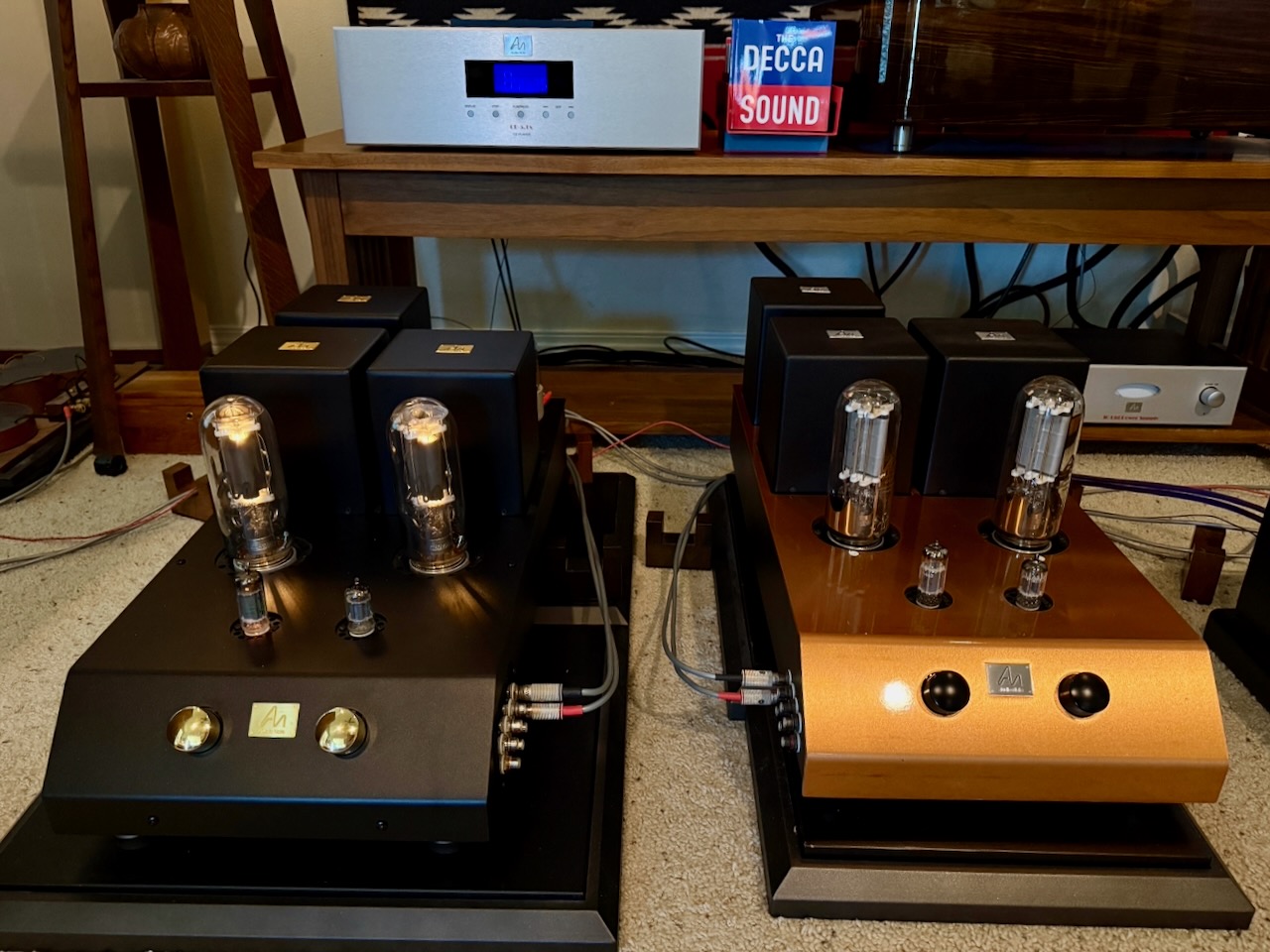
Tomei (left), Ongaku (right)
When the Ongaku arrived, its presence in my audio system elevated the performance of the CD 5.1x by a remarkable degree. It turns out that the CD 5.1x was even better than I thought it was, and it was just waiting for a new dance partner to show off its Fred Astaire performing skills. That also surprised me. The Ongaku's ability to elevate the performance of other components in a system - assuming they are capable of going higher - is impressive.
In times past when I went to audio shows I was greatly put off by the synthetic, artificial, glossy style of presentation in the upper midrange, presence, and brilliance regions of the audio spectrum that I was hearing from the majority of the "high-end" audio systems being demonstrated. They were musically unnatural sounding and just didn't get the music right from a dramatic and emotional engagement standpoint.
Fast forward to the last few audio shows I've been to, and there's been progress, with more and more audio systems sounding more musically and dramatically natural in those upper regions of the audio spectrum, which I was very glad to hear.
Now today, the ability of the Ongaku to deliver everything on a recording so effortlessly and completely, both in terms of impressive sonic performance and dramatic emotional engagement, even at modest volumes, makes it a true wonder with my Tannoy Westminster Royal SEs and their custom Duelund CAST silver & copper crossovers.
I've never heard anything come close to what the Ongaku brings to the game, and its performance across the entire audio spectrum astounds me.
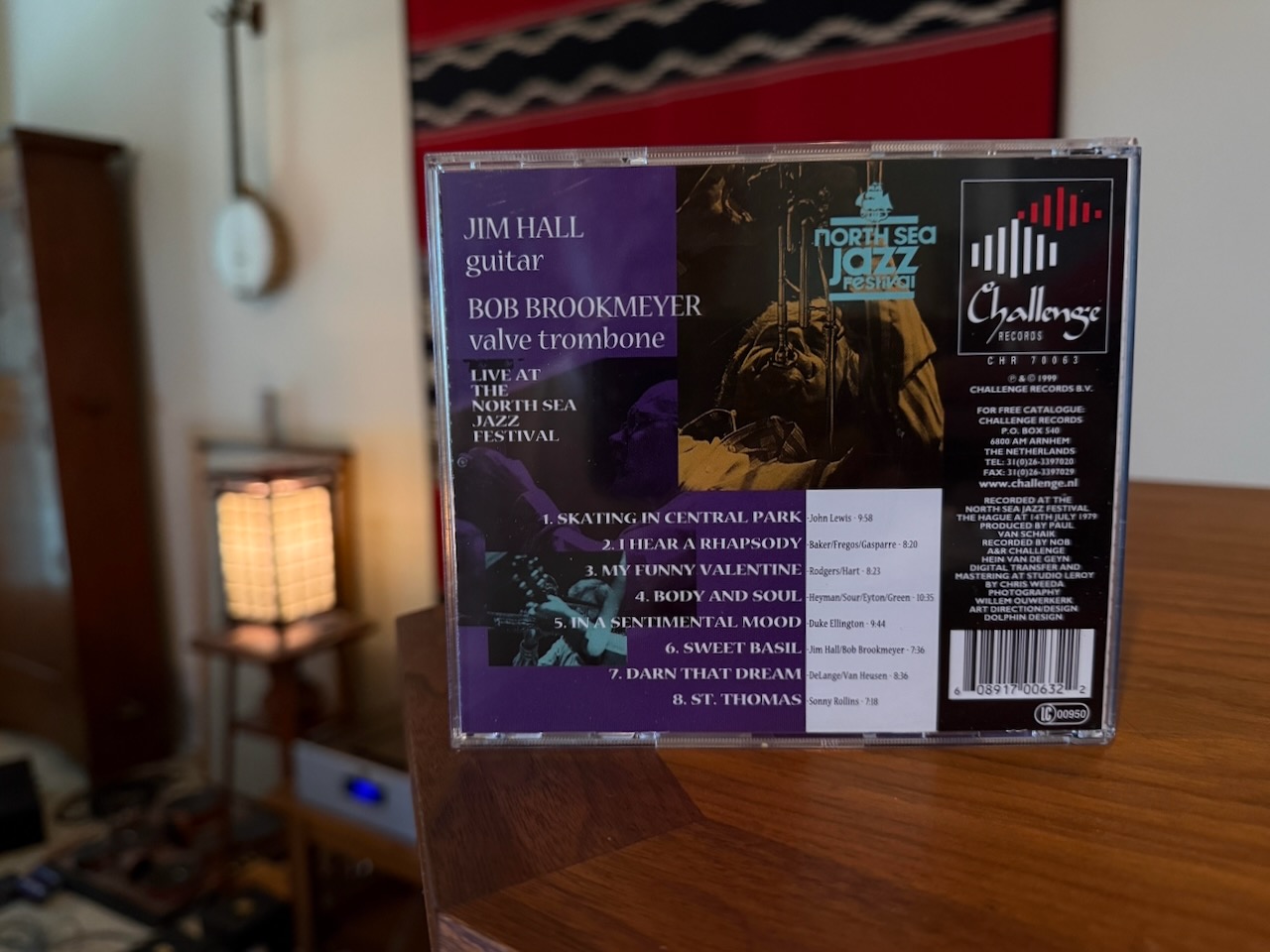
In Part 1 I listened to Live At The North Sea Jazz Festival with Jim Hall and Bob Brookmeyer, which is a fantastic recording with two extraordinary musicians, and both the Tomei and Ongaku made listening to the album incredibly involving, albeit the Ongaku more so.
So this time around I wanted to listen to something more complex, with singers, a choir, an orchestra, and with a lot of dramatic content, to give the Ongaku a playback challenge.
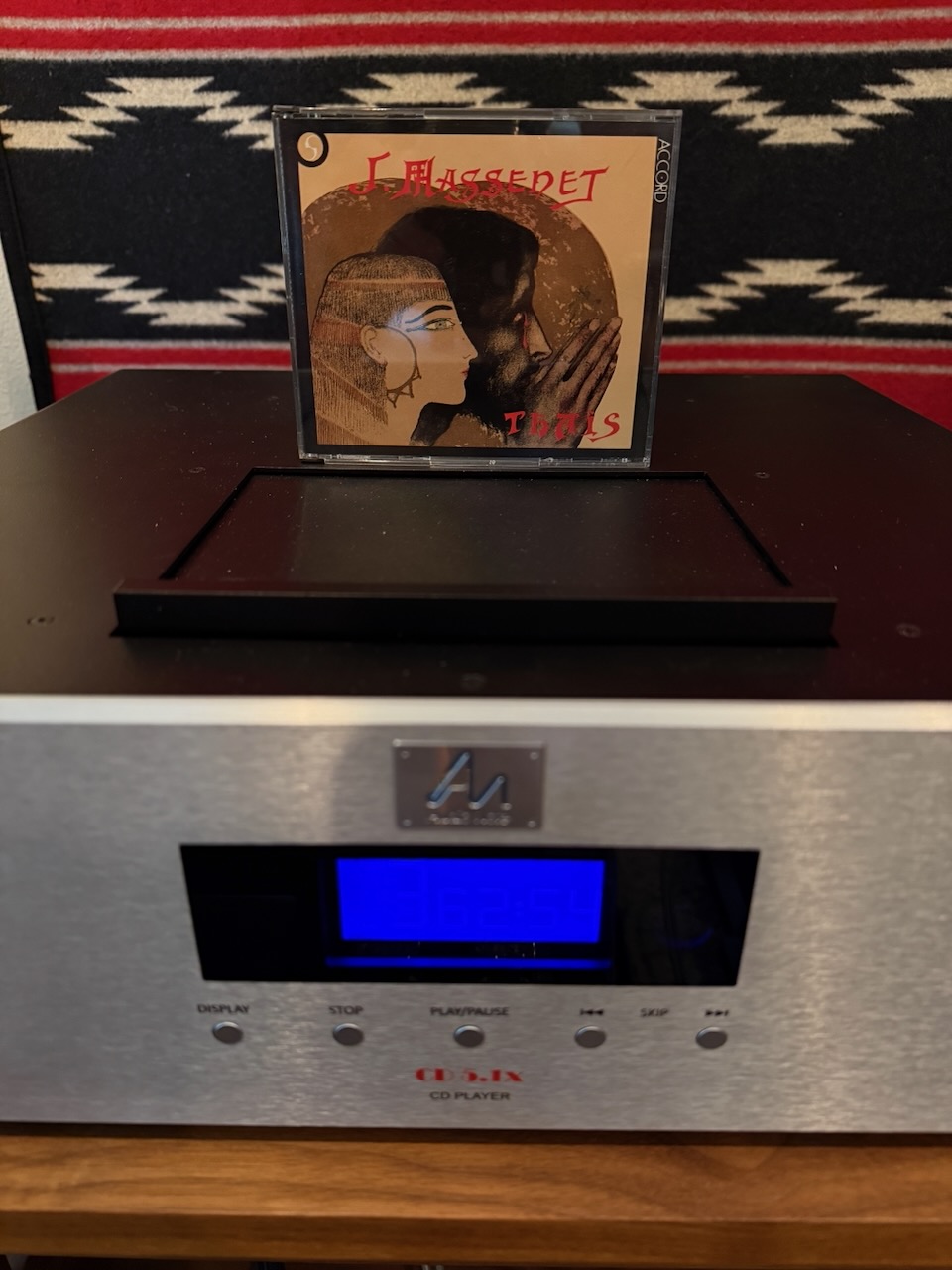
I'm very fond of Massenet's Thaïs opera featuring singers Renée Doria (soprano vocals, as Thaïs), Robert Massard, Michel Sénéchal, Françoise Louvay, Gérard Serkoyan, Janine Collard, Jacques Scellier, Lionel Gali, with Jésus Etcheverry conducting.
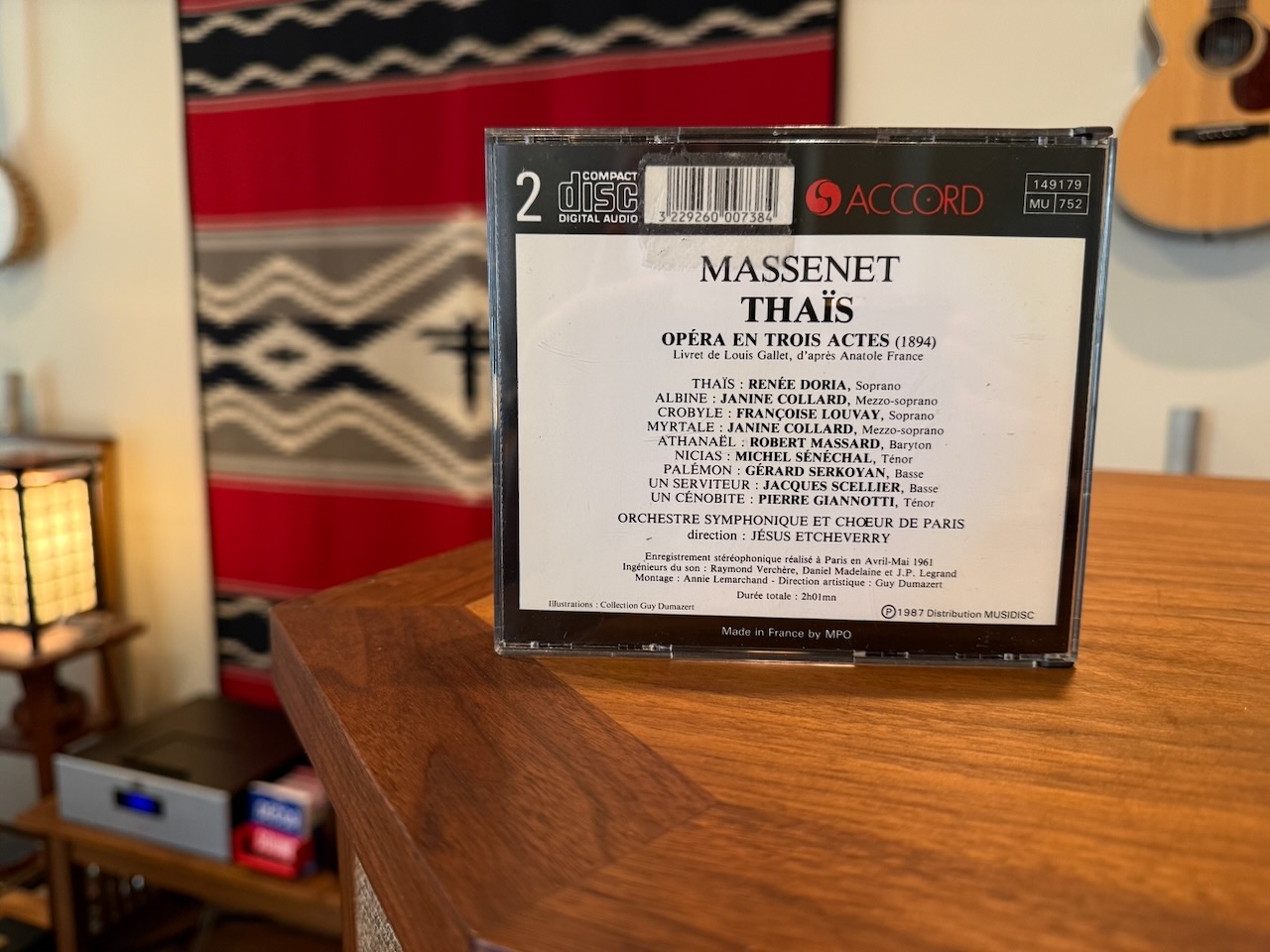
Recorded in Paris in 1965, originally released on the Westminster label as 2 LPs (West 236), then transferred to digital, remastered, and released as a 2 CD set on the Accord label (149179) in 1987. Bonus: you can find this exceptional performance of Thaïs on Discogs for less than $20.
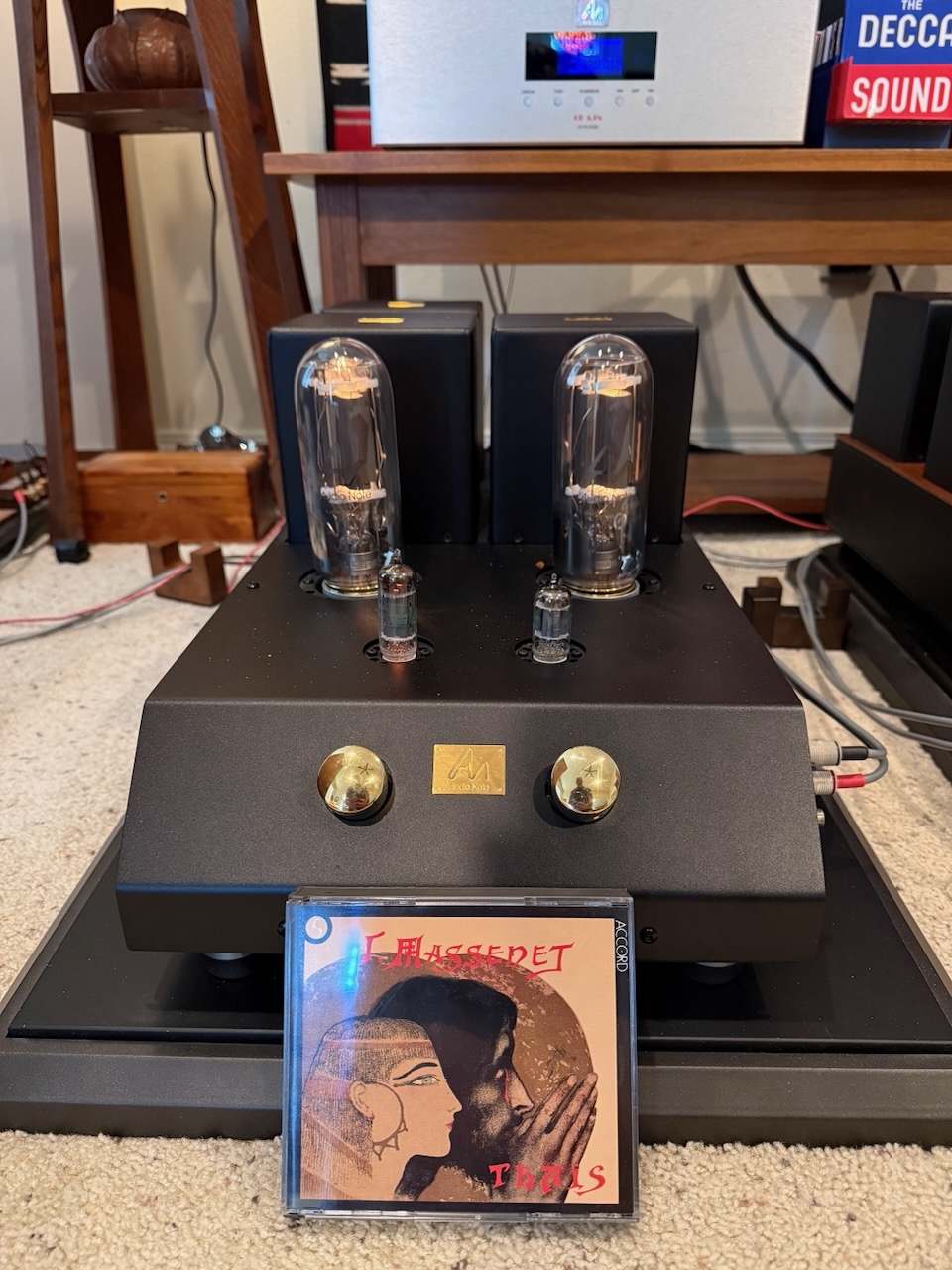
First up, let us listen to Thaïs with the Tomei 211 SET integrated amplifier, one of my top three favorite amplifiers of all time. The Tomei is ridiculously good.
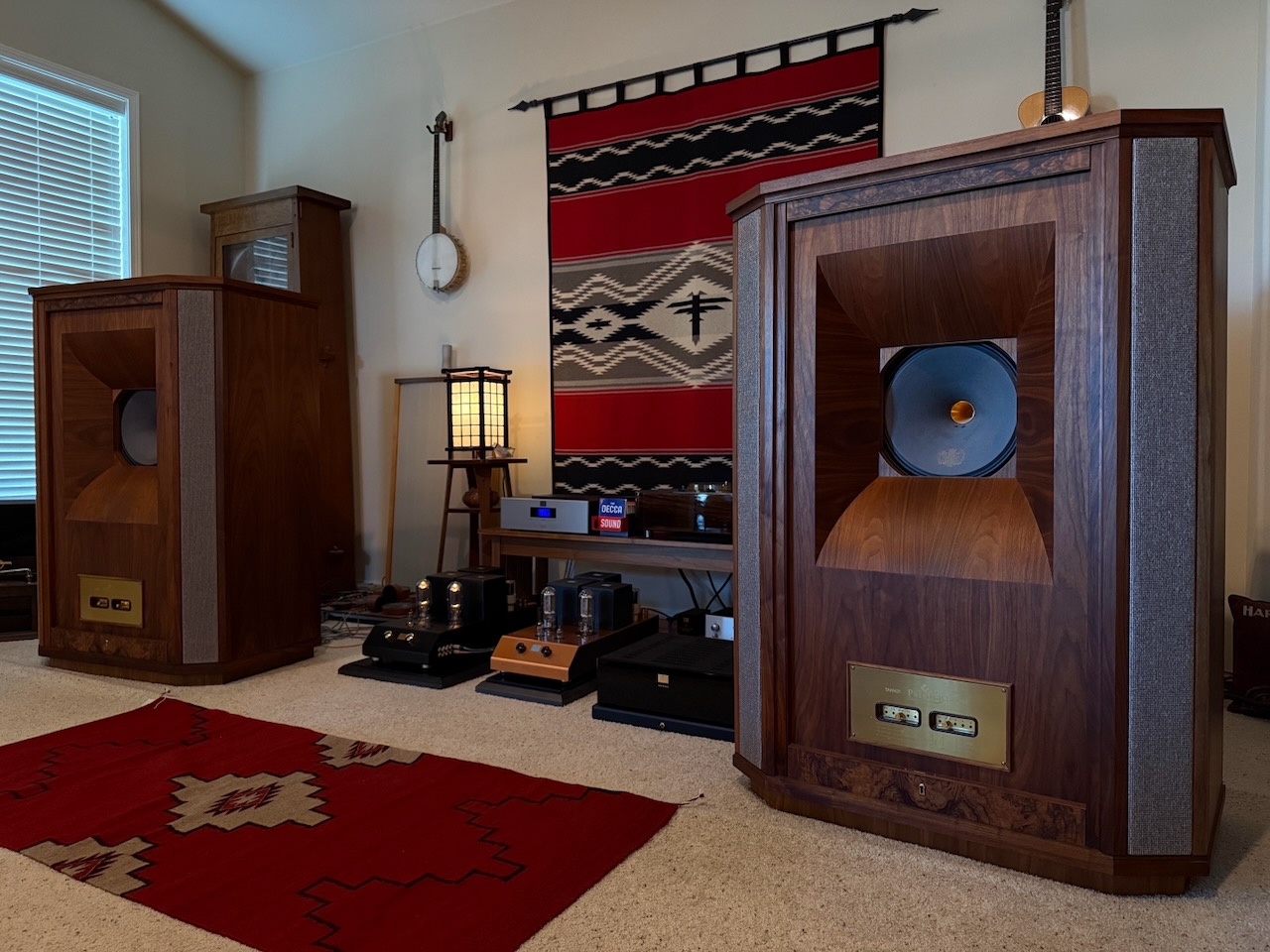
Through the Tomei I was treated to an expansive natural sounding presentation with a big sense of ambient space, with well defined images across the soundstage and into its depths, dynamic and dramatic singers, choral and orchestral dynamic swells, that together brought the recording, the music, the drama of the story, to life.
My listening SPL range for the album was in the low 50s to low 70s. I am impressed with the Tomei's ability to play at such modest SPLs and still deliver the goods in terms of dramatic engagement, dynamics, and the resolution of musical information. I didn't feel like I was missing anything. It was so good even at low SPLs.
With the Tomei my first instinct was to just relax back into my listening couch and soak in all the good vibes from the performance of Thaïs.
There's so much going on in this recording with the singers and the aural movement between them on the stage, the rich timbral tapestry of the orchestra and choir, the dynamic ebbs and swells, that it is really quite spellbinding from a dramatic standpoint.
Conveying that dramatic performance aspect of the recording is key to becoming immersed into the story of Thaïs, and the Tomei does that beautifully. Geez, I love this album!
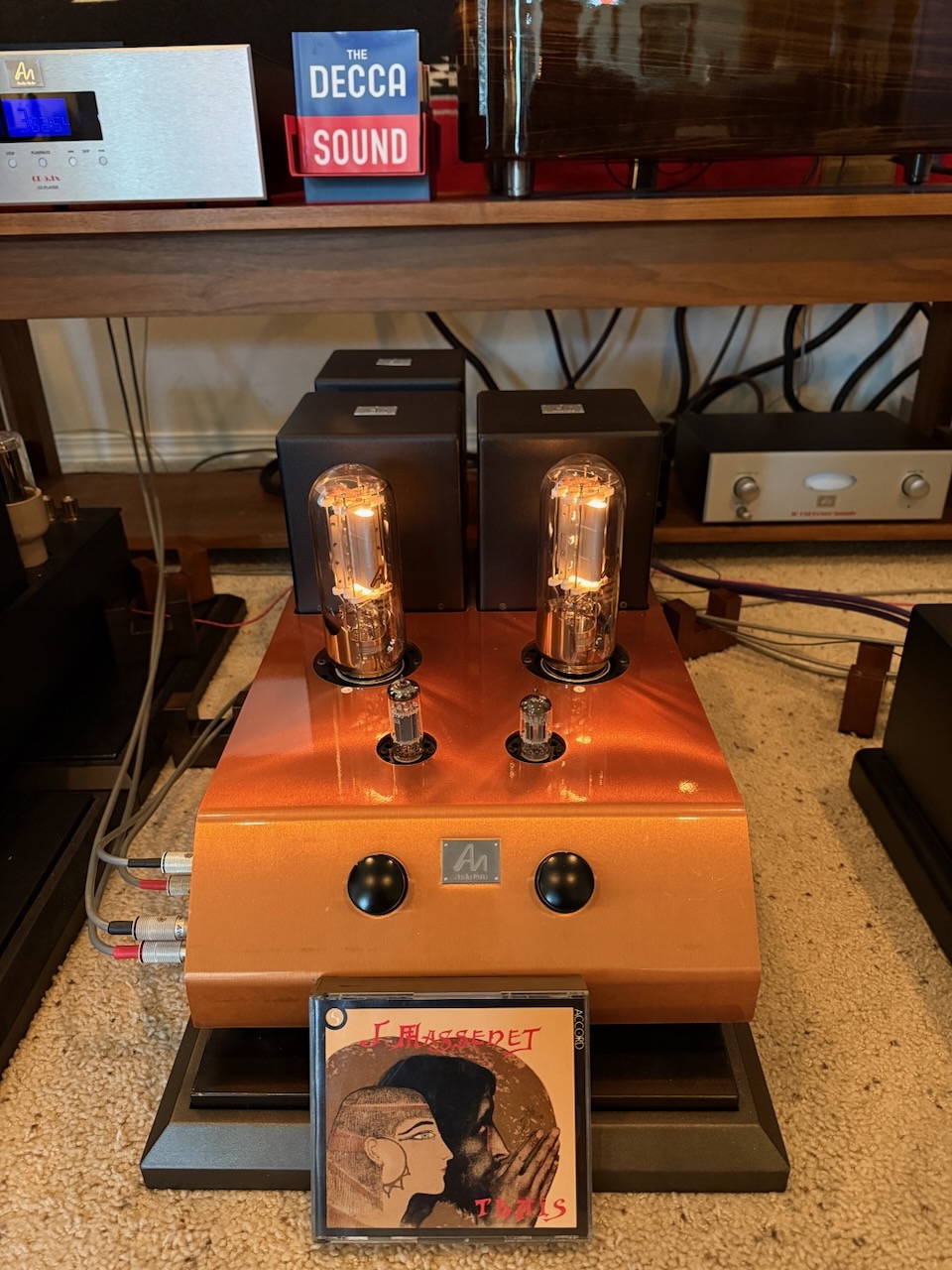
Ok, now it is time for an intermission to install the Ongaku, and to let it warm up for the recommended 45 minutes to reach its full performance potential, and see how it compares to the Tomei when playing Thaïs. I'll be back in a bit.
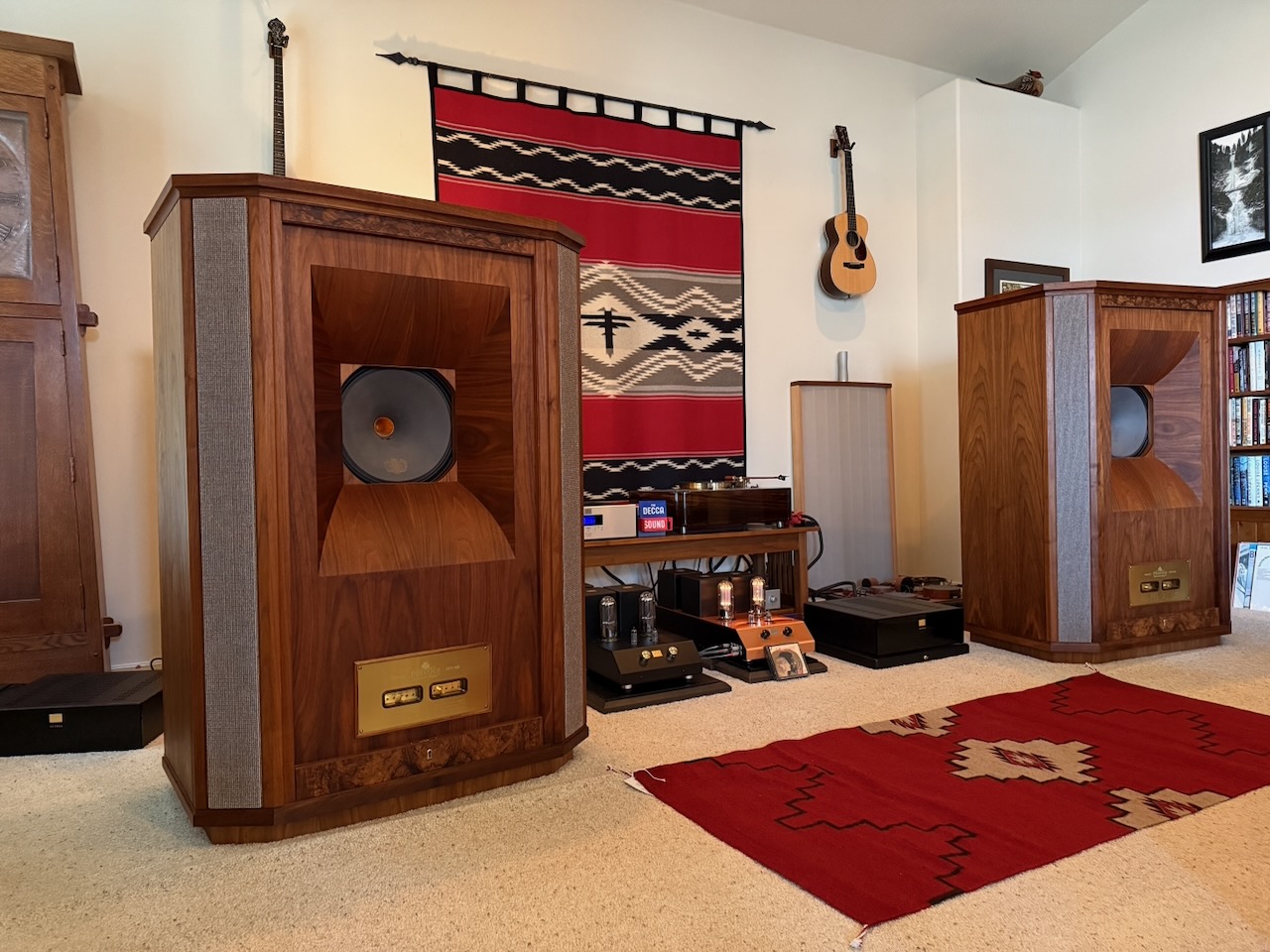
Ok, I'm back, and the Ongaku is all warmed up, and ready to give Thaïs a go. I adjusted playback SPLs so they were in the same low 50s to 70s range I was listening to the Tomei with.
I've mentioned this before, but with the Ongaku the music sounds louder, aural images more present and vivid, there's way more resolution, and the whole soundstage opens up and blooms to a remarkable degree. As good as the Tomei is, and it is really good, the Ongaku is at another level in every way I can think of to describe its performance. It's extraordinary.
You know how I was describing my annoyance at the performance of many audio systems in the last few decades for their wickedly malicious performance - I know, I get carried away with my dislike for that - in terms of sounding synthetic, artificial, glassy, and annoying in the upper midrange, presence, and brilliance regions of the audio spectrum, which shouts "this is a bad recording" instead of "this is music."
I imagine that if Dan Brown of Angels & Demons fame were to name that style of presentation, he would call it "Luciferous," and the presentation that the Ongaku offers he would call "Seraphimous" (the six-winged angels that are closest to God). Interestingly the Ongaku has six vacuum tubes. A coincidence? I think not. Perhaps he would call the Tomei's presentation "Cherubimous," in that it is a guardian of divine music mysteries.
I'm beginning to understand the "why" of what makes this level of the Ongaku's performance possible: its an extraordinary level of high-contrast voicing achieved through the use of a simple, high-performance single-ended-triode circuit with valve rectification, and the circuit being populated by Black Gate capacitors, "Tone King" non-magnetic silver tantalum resistors, all silver wiring, silver wired transformers with high-content nickel iron C-cores, silver connectors, silver tantalum resistors, silver foil signal capacitors, silver everything, and just the whole clever design, all of which are optimized to let as much musical information come through as possible in a high contrast voicing style.
On Thaïs the Ongaku's high signal-to-noise ratio - very low noise level - allows so much more low-level musical information to emerge from the music signal than I'm used to hearing, plus its impressively black background, beautifully natural tone, oodles of timbral textures, expansive soundstage that fills my room, pinpoint imaging, extraordinarily dramatic and agile dynamic prowess from the softest passages to the loudest, the result being that the Ongaku is extraordinarily accurate, authentic, and authoritative in the way it plays music. Profoundly so.
Sitting here, listening to Thaïs is mesmerizing, both in its sonic performance and dramatic engagement that fills my living room and soul to overflowing. I am just stunned into a state of awed reverie.
Kudos to Peter and his merry band of audio artisans, they are truly wonder workers. Maybe magicians, maybe ... ok, I'm getting silly here in my descriptions, but listening to Thaïs with the Ongaku in the system is simply stunning.
A huge "Thank you!" to Peter Qvortrup for making this listening experience possible. Every time I listen to this Audio Note UK kit I think, "How is this even possible?" Peter. That's the answer.
Think about it. I'm listening to Red Book CDs of Thaïs and its performance is extraordinary.
Guess what? Red Book CDs, as good as they are with the CD 5.1x and Ongaku powering my hot-rodded Westminsters, don't even begin to touch the ceiling of performance with the Ongaku playing vinyl.
Stay tuned, I've got some exciting news to share soon.
As always, thanks for stopping by, and may the tone be with you!