Greetings friends, I hope you are well!
I've been doing some exploratory listening with three of my four audio systems today in a round-robin format, listening to each system for a while, which is always a good reality check for audio system performance.
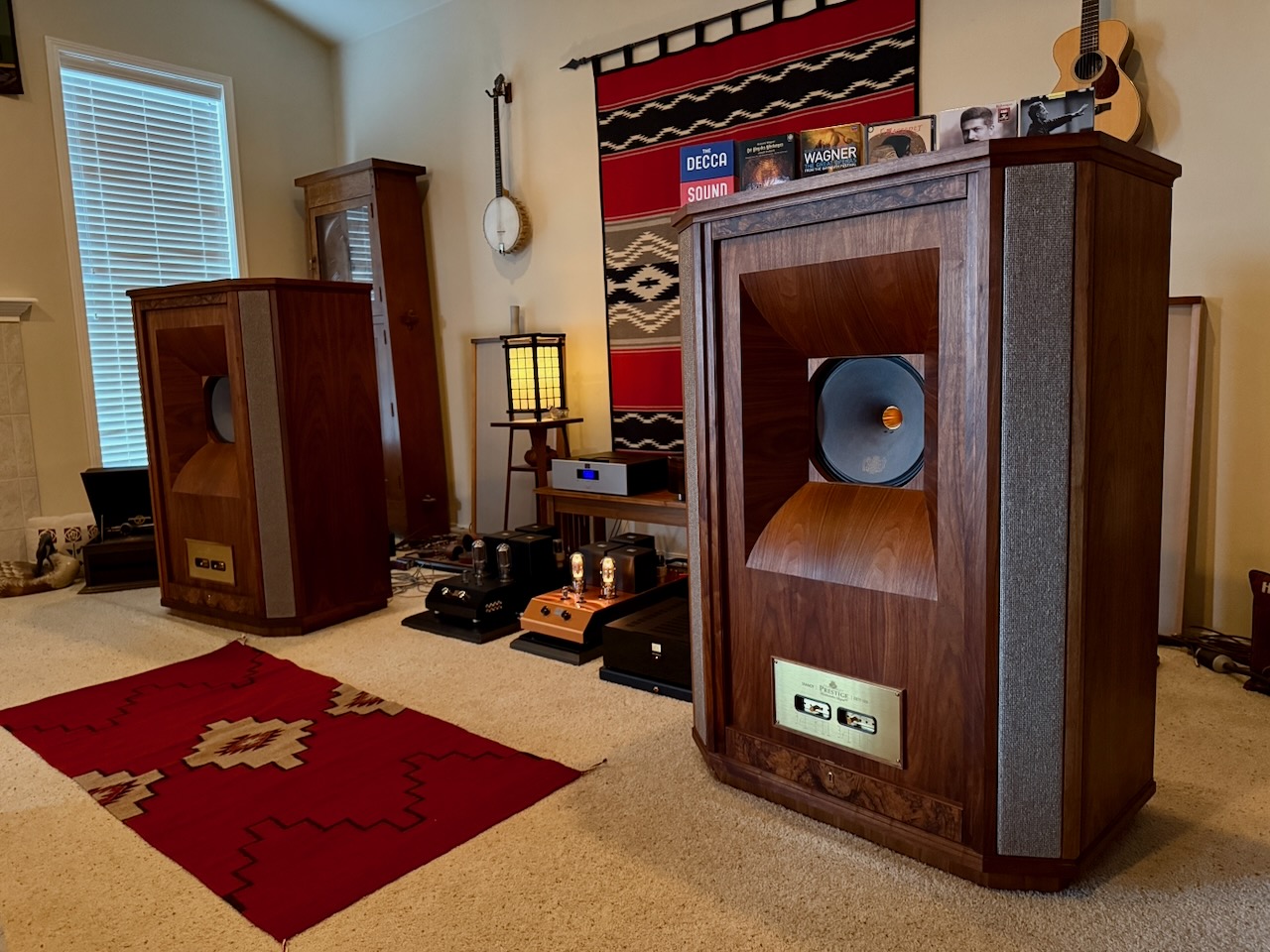
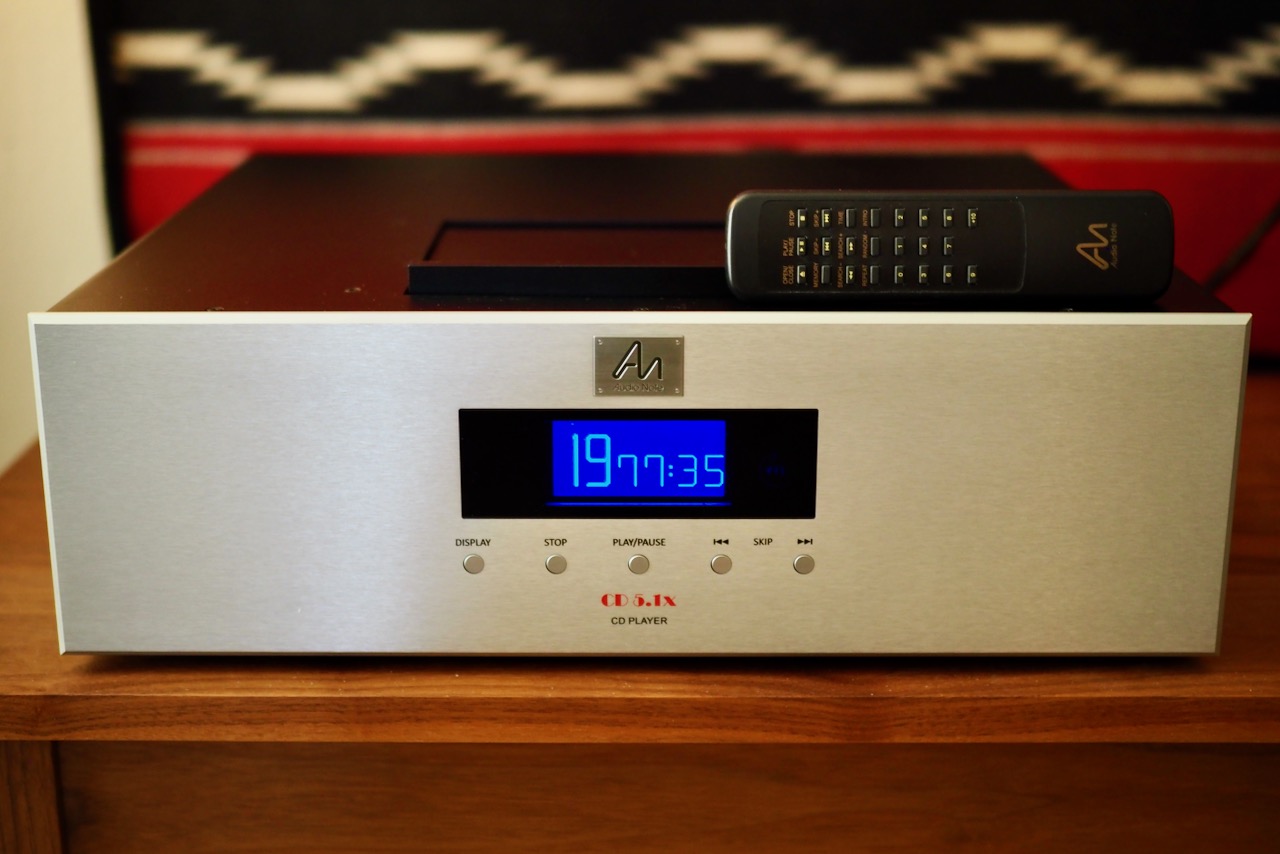
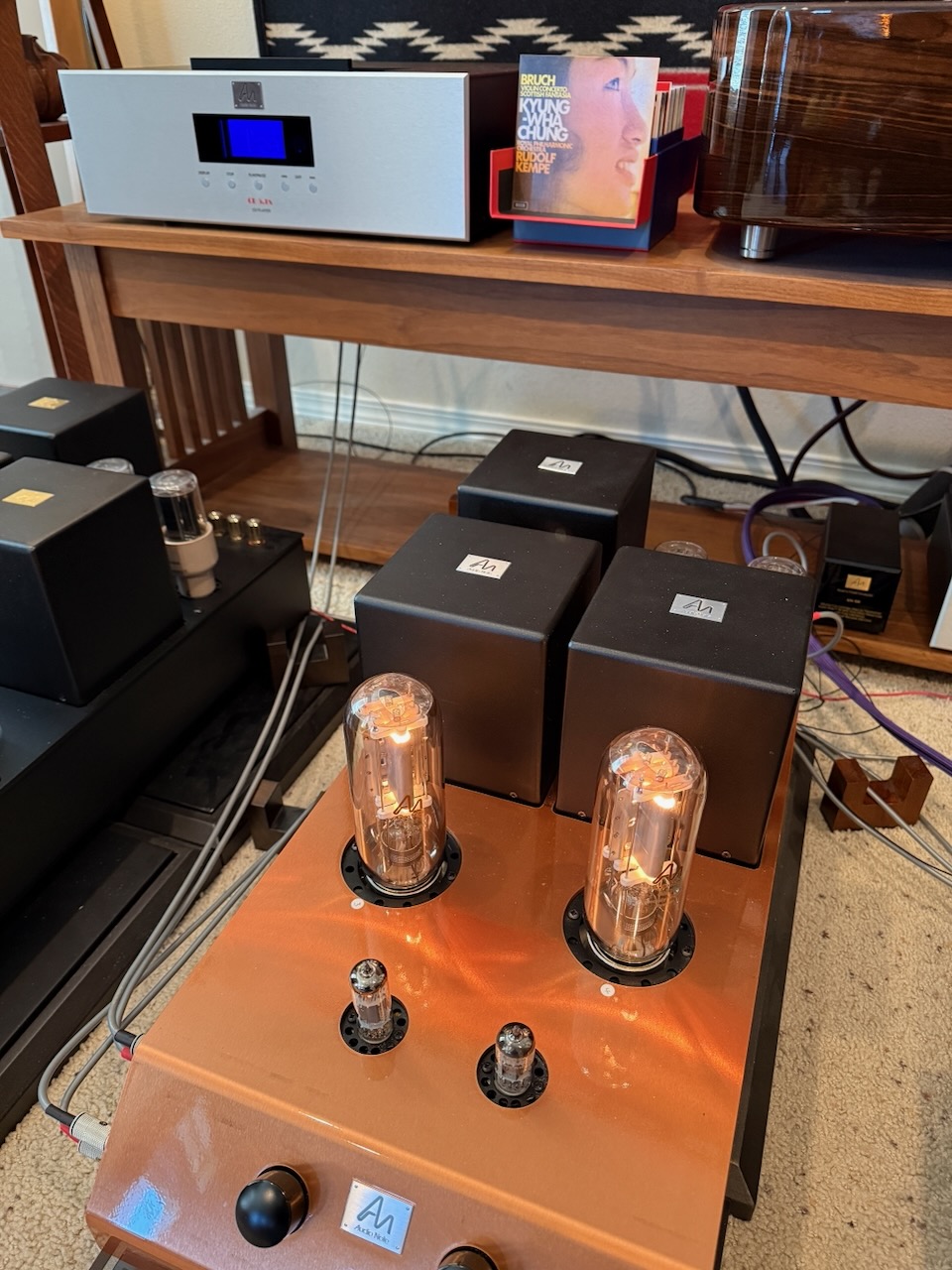
One of the standouts today was listening to CDs in the main "digital" music system of Audio Note (UK) CD 5.1x Red Book CD player, Audio Note (UK) Ongaku 211 SET integrated amplifier, and my Tannoy Westminster Royal SE loudspeakers with outboard Duelund CAST silver / copper crossovers.
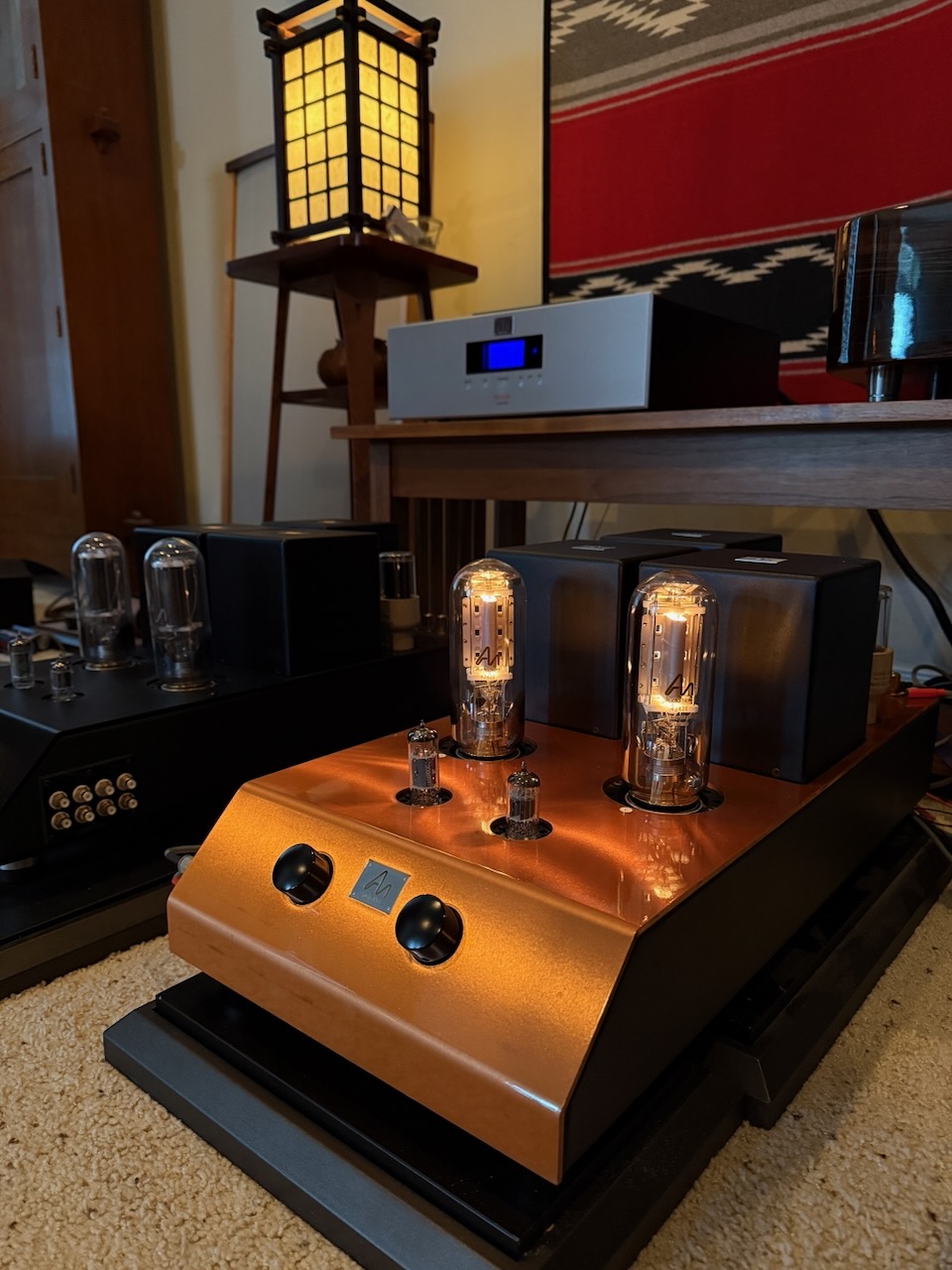
Everything is connected together with Audio Note (UK) silver interconnects and speaker cables, and Acoustic Revive Absolute Power Cords connect all the components to the AC mains.
The Ongaku 211 SET integrated amplifier is a marvel, and it elevates the performance of everything connected to it, including the Audio Note (UK) CD 5.1x Red Book CD player that is visiting me.
One thing I found when I reviewed the CD 5.1x was that it had an impressive ability to be able to go up against a good vinyl front end up into the $30k range and match it in performance. When playing albums it wasn't whether I was listening to a CD or LP that was the deciding factor in the ultimate level of performance, but rather it was which album, CD or LP, had the best mastering / remastering and production values that was the deciding factor. I was impressed by that level of performance from a CD player.
Another thing that impressed me about the CD 5.1x was when I was listening to a very nice high-resolution high-end streaming DAC recently, capable of playing nearly any level of resolution of PCM or DSD files, that the CD 5.1x could play back Red Book CDs at a performance level that was at least the equal of the streamer playing high resolution PCM and DSD files. That also impressed me about the CD 5.1x.
During that comparison I also learned something interesting about comparing Red Book digital, or high-resolution PCM and DSD, to vinyl.
Now to be fair the vinyl front end I was comparing to in those listening sessions was in the $100K+ range, and I've been told by several people that because of that, it wasn't really a fair comparison.
Maybe not, but it was illustrative of the performance ceiling those formats possessed.
First of all, and no offense intended to my audio pals that love their high-resolution digital rigs (I enjoy them too), but compared to top tier vinyl playback, even the best high-resolution digital didn't come close to the same level of performance. So there's that.
Another thing I observed was how different the "conversion signature" was between albums on analog tape when converted to PCM, and when converted to DSD. High-resolution DSD had a resolution advantage over PCM, but the DSD conversion signature made it decidedly low-contrast sounding compared to the processing signature for PCM, which has more of high-contrast conversion signature. So there's that too.
The end of that story is that while DSD has many things going for it, I thought its low-contrast conversion signature made it decidedly less involving from a dramatic perspective than PCM. Depending on your tastes and system setup you may prefer one or the other processing signature, but I like the more dramatic presentation I hear from PCM.
But I digress, as the point of this article was that I wanted to tell you about an excellent 50 CD box set of Decca classical albums, and how impressed I am by the CD 5.1x driving the Ongaku 211 SET integrated amplifier.
The cool thing about this is those Red Book musical riches are available at a decidedly non-rich price.
If you were lucky enough to have collected all the greatest performances on Decca, Deutsche Grammophon, RCA Living Stereo, Mercury Living Presence, et al, when they were first issued on LPs, this might not be relevant to you for building your music library.
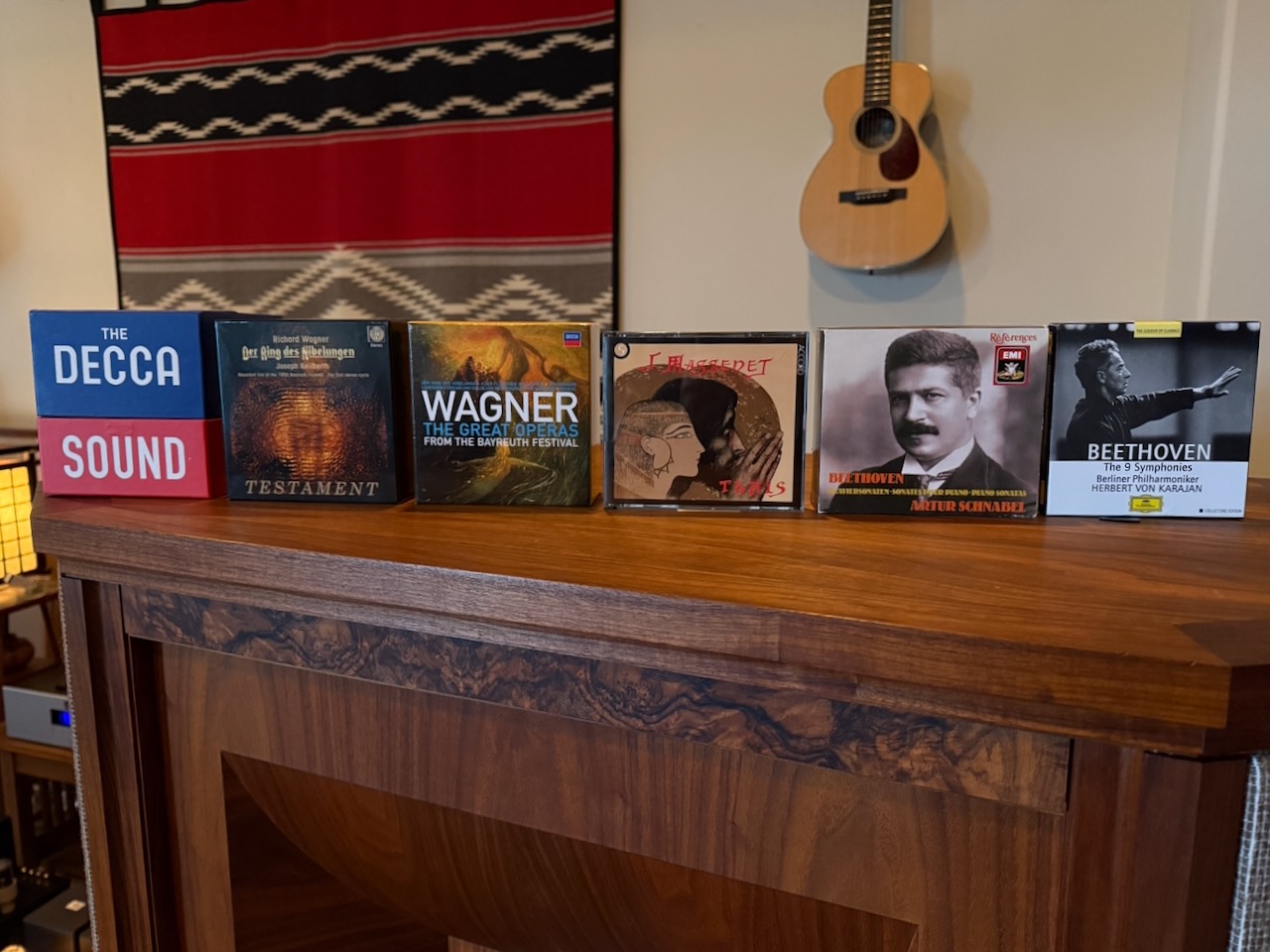
However, if you weren't one of those fortunate people, you might like to know you can get box sets of some of the greatest musical performances in history on CDs for peanuts.
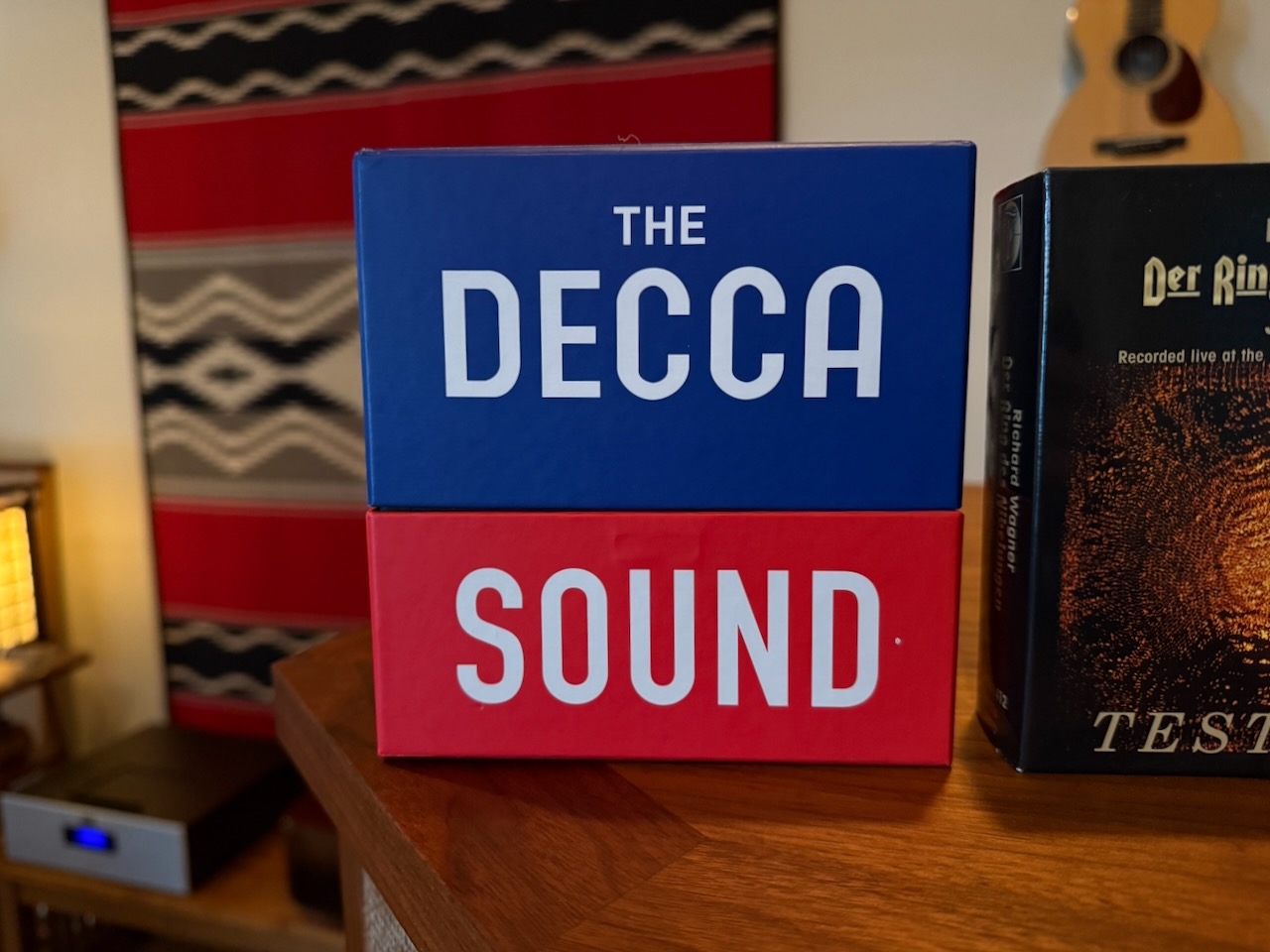
Take The Decca Sound box set (478 2826) that I bought used recently on Discogs for $125, which includes 50 CDs of some of the greatest recordings of Baroque, Classical, Romantic, Modern, Oratorio, and Opera performances in history.
A number of the albums were from 2 LP sets, so you're even getting more music than it would appear at first glance.
All of these reissued albums were remastered for this limited edition release in 2011. Decca really had their recording down pat during the magnetic era of recording, and these recordings represent some of the very best recordings from the peak of the magnetic recording era, or in other words, some of the finest recordings ever made. There's a few digital recordings in the box set too, and they're pretty good too.
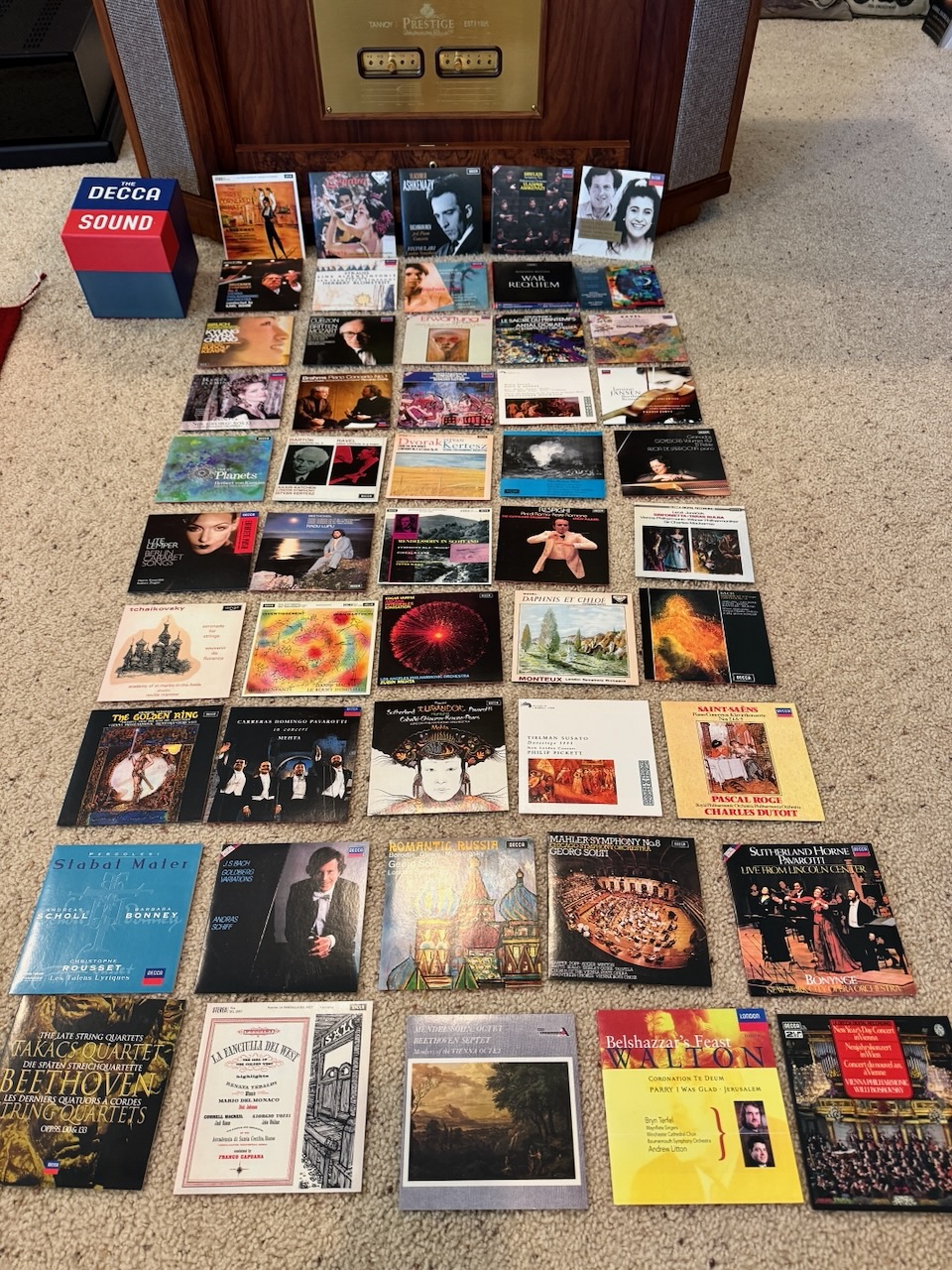
At $125 for 50 CDs that's only $2.50 a CD, which an incredible bargain for this quantity and quality of recordings of great musical performances.
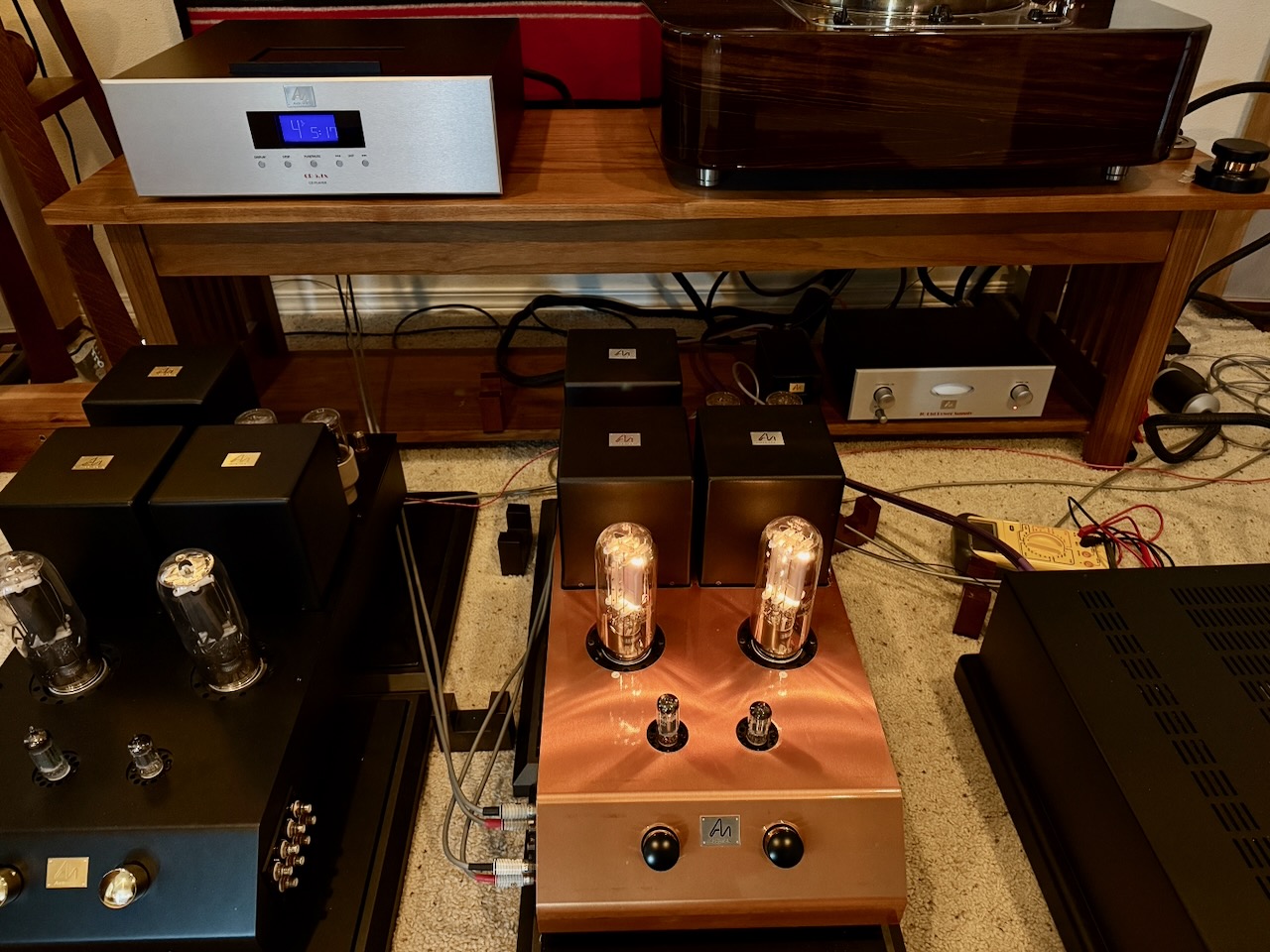
Playing these Decca recordings back through the CD 5.1x and Ongaku 211 SET integrated amplifier was impressive. Decca really did a nice job of the remasters and transfers, and they really have a nice high-contrast, dramatic feel to them that makes them exciting to listen to.
In other words, consider this a recommendation to hunt down this long out of print The Decca Sound boxset on Discogs, and add it to your music library. You'll be glad you did.
I have 5 more classical box sets to tell you about, and they will come in due time.
Postscript: I've been steadily listening through The Decca Sound 50 CD box set, and I'm more impressed with each CD I listen to.
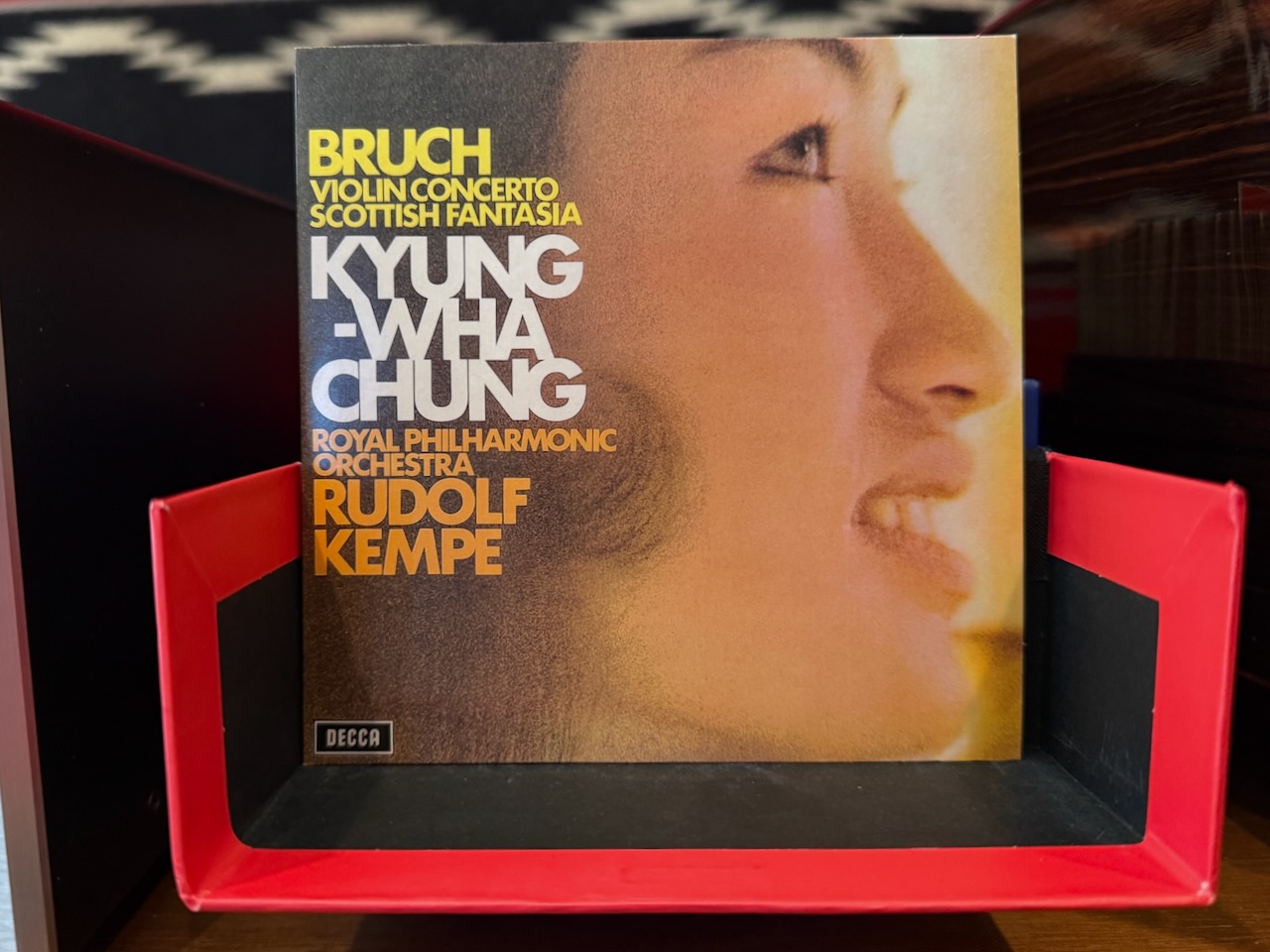
This morning I've been listening to CD 12, Bruch Violin Concerto, Scottish Fantasia, featuring Kyung-Wha Chung, with the Orchestra symphonique de Montreal (Mendelssohn Violin Concerto in E Minor, op. 64; Charles Dutoit conducting) and the Royal Philharmonic Orchestra (Bruch: Violin Concerto No. 1 in Minor, op. 26 and Scottish Fantasia, op. 46; Rudolf Kempe conducting).
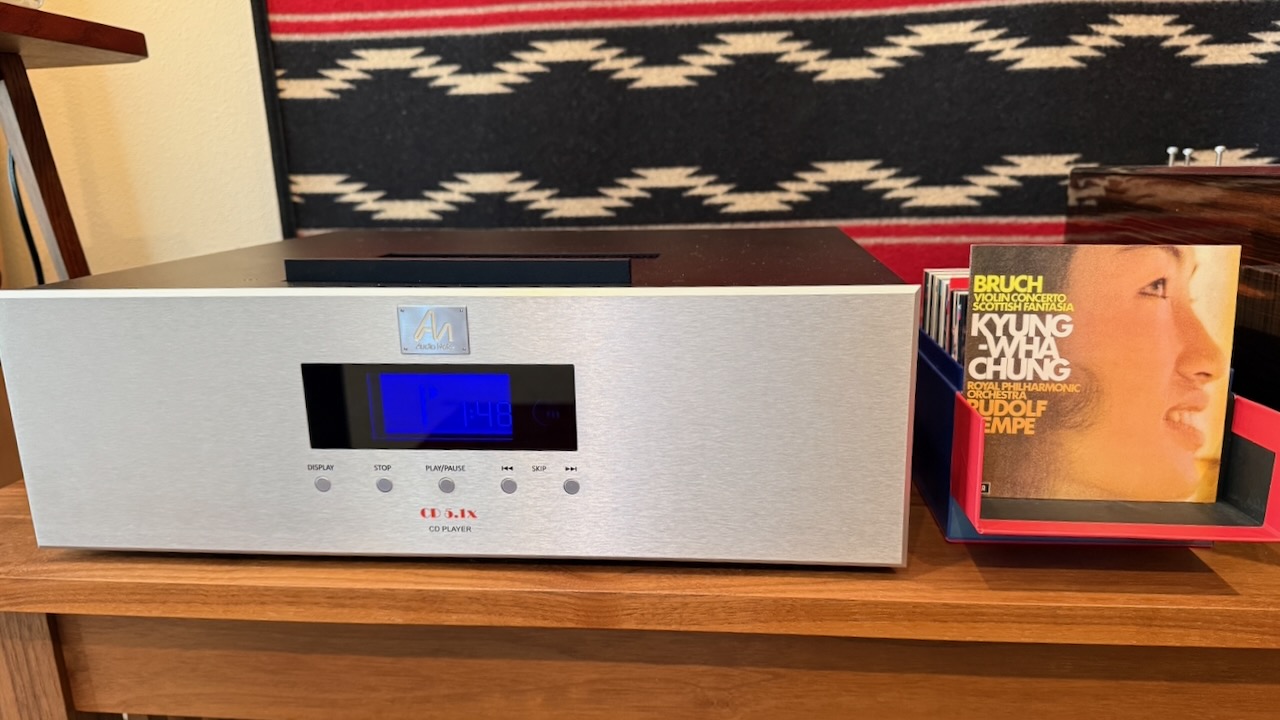
One thing I forgot to mention about the Audio Note (UK) CD 5.1x CD player in my post yesterday, which is perhaps the highest praise one can give a CD player, is when I'm listening to an album that I'm totally absorbed into the musical performance.
I'm not thinking "this is good for CD" or anything like that. I'm just captivated by the beauty and drama of the performance, which I attribute to Peter's high-contrast voicing of the CD 5.1x, via his comparison by contrast voicing process. It's a real thing, comparison by contrast, and high-contrast playback.
So what is high-contrast in audio? Let's explore this high-contrast idea for a moment.
High-contrast in a motion picture means there are significant differences between the lightest and darkest elements in the images, often with the use of complementary colors to create a dramatic visual scene that enhances the overall mood of a motion picture, by drawing attention to the main emotional vibe it is trying to get across.
For example, Technicolor films from the 1930s to the 1950s were noted for their vibrant colors and high-contrast, which they achieved through using three strips of film that individually captured highly saturated colors of red, green, and blue, and then the film strips were combined to build the overall film image.
The Technicolor process produced sharp images with saturated hues from a vibrant color palette that were visually stunning, which enhanced their visual and emotional impact. These films also used dramatic lighting techniques to emphasize shadows and highlights that further enhanced the dramatic emotional elements - the mood - being conveyed.
My take on it is that high-contrast in audio playback is similar to that of making Technicolor motion pictures, in that it refers to the significant differences in the sound elements of a recording, such as dynamics, timbre, the balance of the seven frequency bands of a recording, and the resolution of musical information, which when voiced with an artistic musical sensibility creates a dynamically dramatic and emotionally engaging listening experience.
This is where the CD 5.1x CD player excels, and to an even greater extent is where the Ongaku 211 SET integrated amplifiers excels. Together they can produce remarkably dramatic and satisfying listening experiences from CDs.
The topic of high-contrast in audio deserves a "deep dive" to discuss more of the nuts & bolts of how it works and is achieved, which I hope to do in the not too distant future.
As always, thanks for stopping by, and may the tone be with you!