I love the music and audio hobby. I'm pretty sure that for me, music and audio falls squarely into Abraham Maslow's hierarchy of needs in the foundational category of physiological, which includes the basic needs of life such as food, water, breathing, sleeping, and so on. I need music and audio to live.
I've been getting more feedback recently from you all that audio has gotten too expensive. I get it, the rising costs of seemingly everything are concerning most everyone: healthcare, insurance, education, child care, groceries, dining out, cars, petrol, electricity, shipping, housing, and travel, are just a few examples.
Tariffs, inflation, less buying power than in years gone by, everything adds up, doesn't it? Both for us regular folks, and for the audio manufacturers. What to do?
Over the last few days there have been serious riots in France about the high cost of living and school underfunding. People feel like they are pushed to the breaking point. Call me a follower of Thoreau's Civil Disobedience, but I don't believe resorting to violence will help the cause. Engage in civil disobedience instead. Civil disobedience worked for Henry David Thoreau, Martin Luther King, and Gandhi, and it can work for you too.
So what's a music and audio enthusiast to do to help keep audio hobby costs under control?
Most of the fine audio kit I write about is fairly expensive. Assembling a fine audio system can fall into the range of buying a new automobile, from the affordable to the exotic.
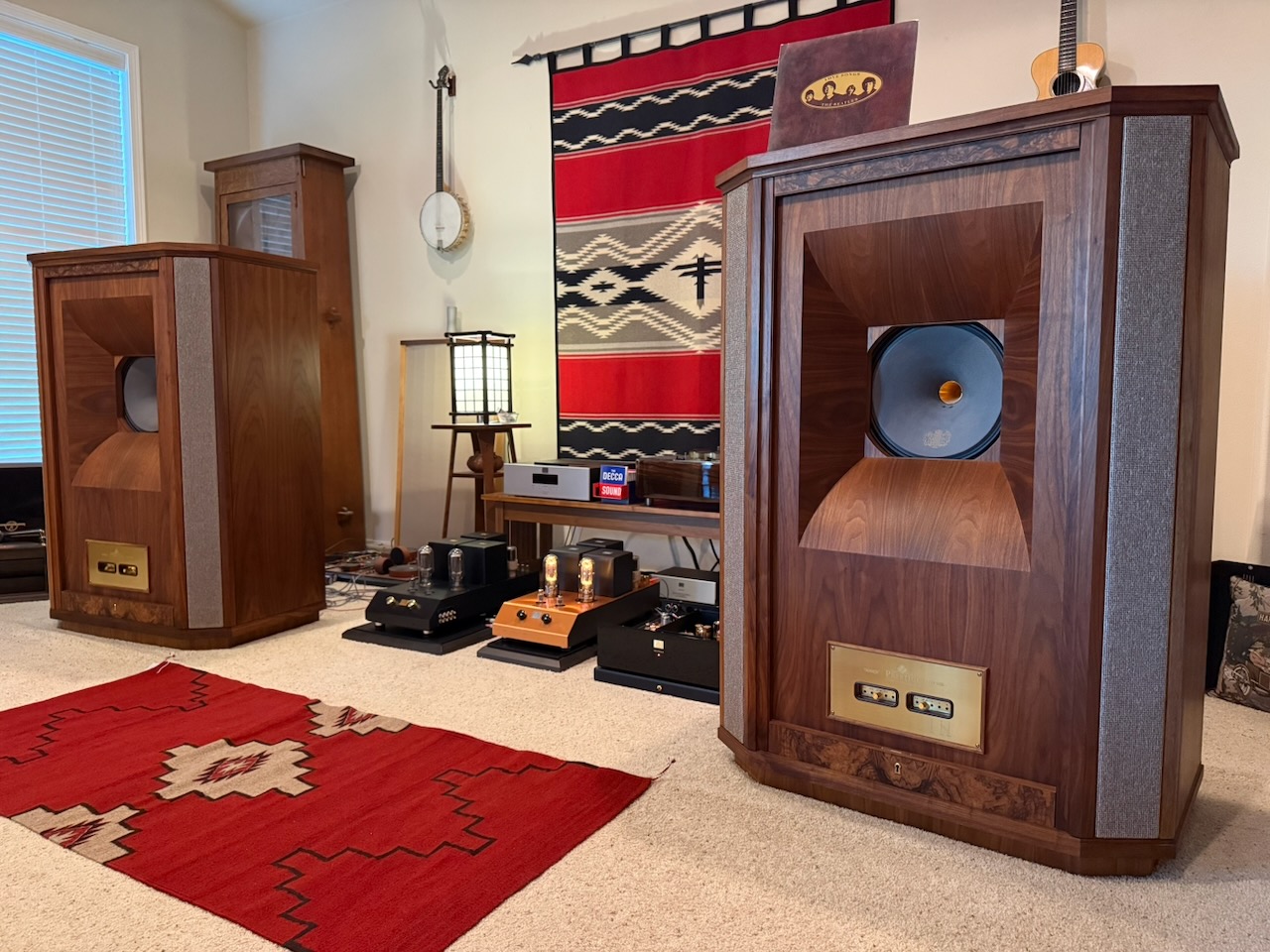
While fine audio can be an expensive pursuit, it doesn't have to be, and there are ways to conserve costs while still having a ball with the hobby and getting a great-sounding audio system.
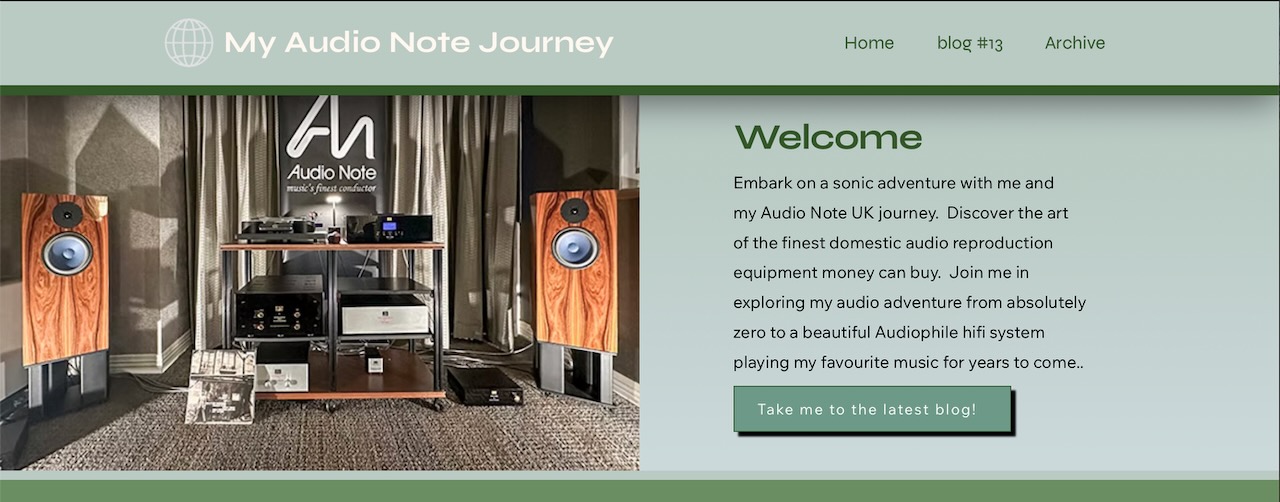
For example, fellow audio pal and Jeff's Place reader, Richard Durnford, has built up a beautiful and relatively affordable Audio Note (UK) audio system. You can read all about Richard's audio adventures HERE.
Here's Grandpa's advice: My first rule of thumb is to always stay within your budget. Don't enslave yourself by going into debt, and in fact spending less than the discretionary resources you have available isn't a bad idea. It's tough times, and you might need that extra money to buy eggs, or some other increasingly expensive items.
After you've figured out what you like in audio, then you can ask yourself, "What should I do?" If you need to give a little more thought about what audio components might serve you best, try reading my "Audio Q&A" page HERE.
Your first option is to do nothing. Keeping what you have is almost always the most affordable approach. If you do that then you can afford more music to enjoy. Your music library is the foundation of your audio hobby. I recommend you balance building your music library with your spending on audio kit.
But you've got the itch to get a new piece of kit. Your options are that you can buy new, used, vintage, or consider giving DIY a try. Or kits, which are a sub-category of DIY, I suppose.
New audio kit: My preference is new audio kit, if the cost is within my budget. It's more expensive, but it's new, you get a warranty, and it's more likely to last you for decades of happy listening.
Used audio kit: Then there's used audio kit. I've bought a lot of used audio kit over the decades. What to consider? Well, anything I've reviewed positively is a good place to start, as I don't recommend any audio kit that I don't think is worth owning personally.
Often recently manufactured preowned audio kit can be bought for a third to half off of new retail prices. That's big savings. But there's also more risk. Was it misused or abused? Does it still have a warranty? Repairs can be expensive. You have to balance the risk with the potential cost savings. Is it worth it? It might be.
I've thought about reviewing used audio kit of good reputation, kit that I haven't reviewed as a new product, to remind enthusiasts and myself that there's good things out there in the used market to consider. Typically that means me buying something and writing about it, but it just occurred to me that if a dealer had a particularly desirable piece to write about, I would consider doing that too.
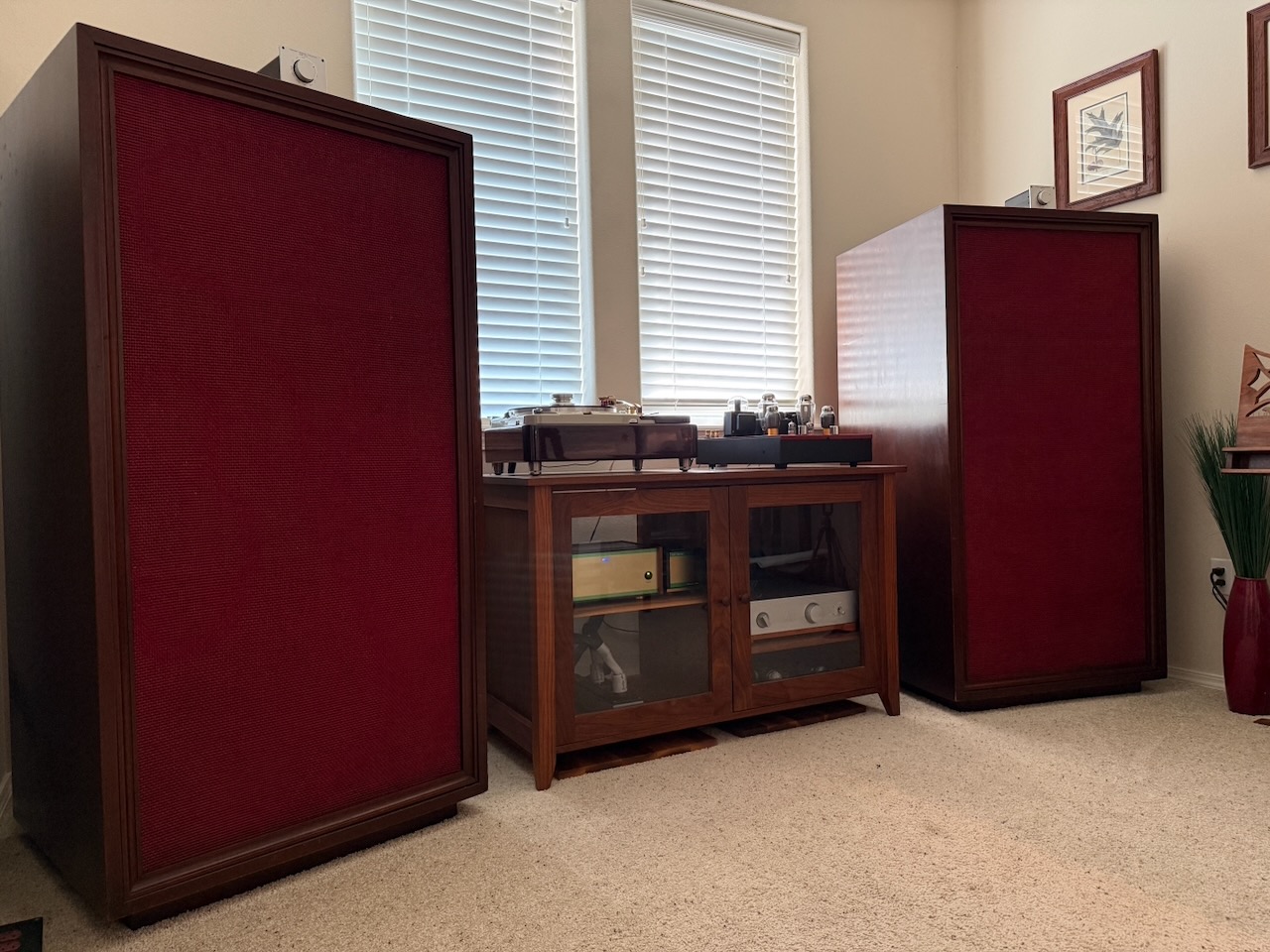
Vintage audio kit: Long-time readers know I really like vintage audio kit. Typically, buying vintage kit isn't a way to save money, it's more about the pleasure of owning a classic piece of audio kit from the Golden Era of Audio, and is sort of in the same vein as enjoying a classic car or motorcycle.
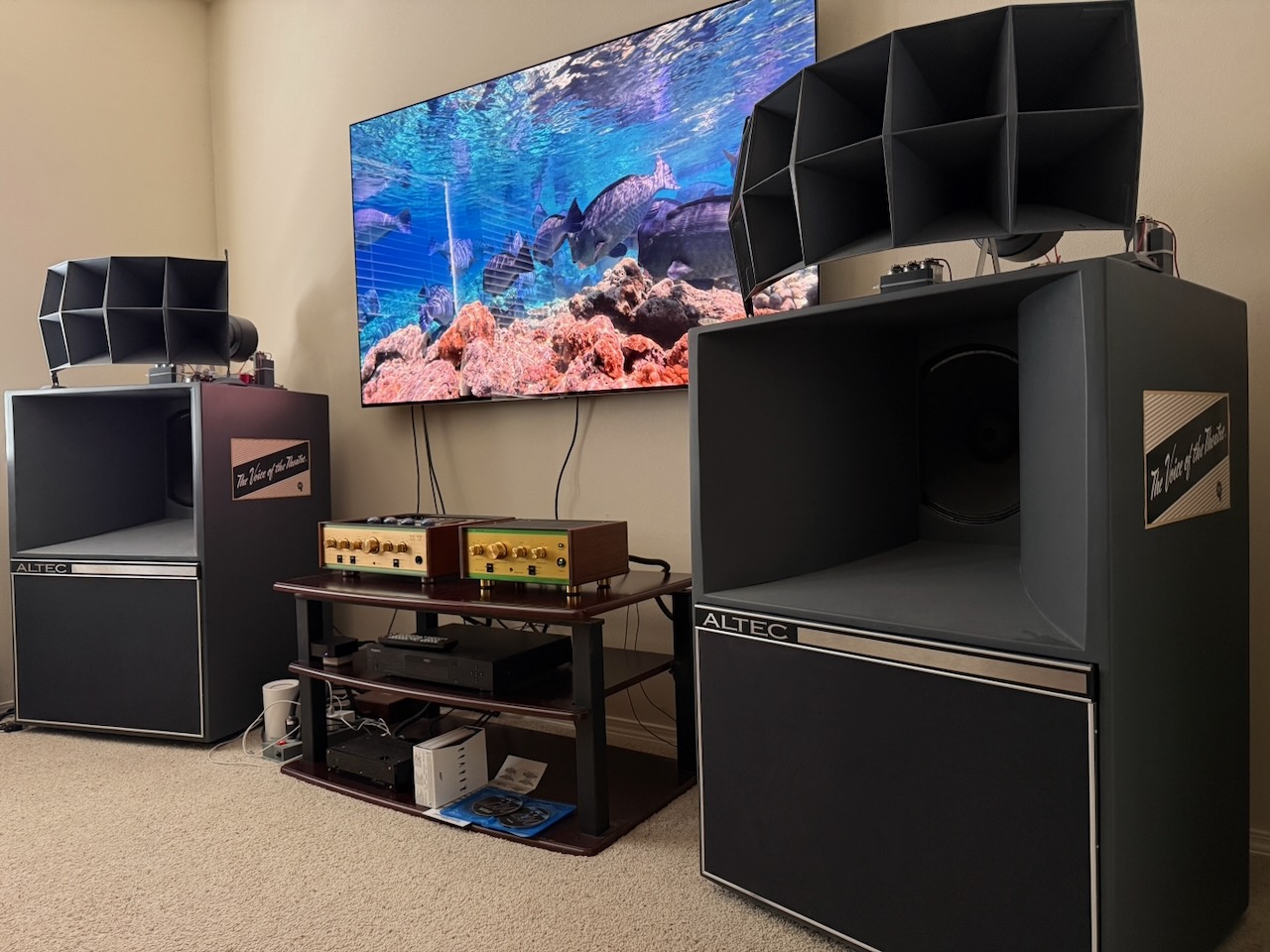
I've had a blast exploring vintage audio kit, like vintage McIntosh, Thorens, Garrard, and Altec, for example.
If you're thinking about vintage amplification electronics, know they will likely need to be serviced or repaired at some point, as internal components that have aged out or worn out will need to be replaced. If you don't have a local audio tech that can work on your kit, servicing and repairs can get expensive rapidly.
You can also buy vintage audio kit that has been fully serviced or restored, so that's an option to consider. Typically a fairly expensive option, as classic audio kit can demand serious $, but it can still be less expensive than some new audio kit of comparable performance.
I have a lovely restored vintage Thorens TD-124 turntable that I cherish, for example. And three pairs of vintage Altec loudspeakers that I treasure. Vintage is great when done right.

DIY audio: There are all kinds of fun DIY audio projects you can engage in, and they can range from affordable to exotic.
Yazaki-san's recommendations of 16 gauge tinned-copper speaker cables, or Belden 8402 microphone cable interconnects, are great examples. They're excellent and affordable.

Building a set of speaker cables is easy, and so are interconnects.
For speaker cables for my vintage Altec loudspeakers my favorites are the Duelund DCA16GA cables. All you have to do is order the correct lengths for your audio system, then strip the ends off for insertion into connectors. Done. Super easy and affordable performance. I really like DCA16GA for interconnects as well. You can order bulk DCA16GA from Parts Connexion HERE.
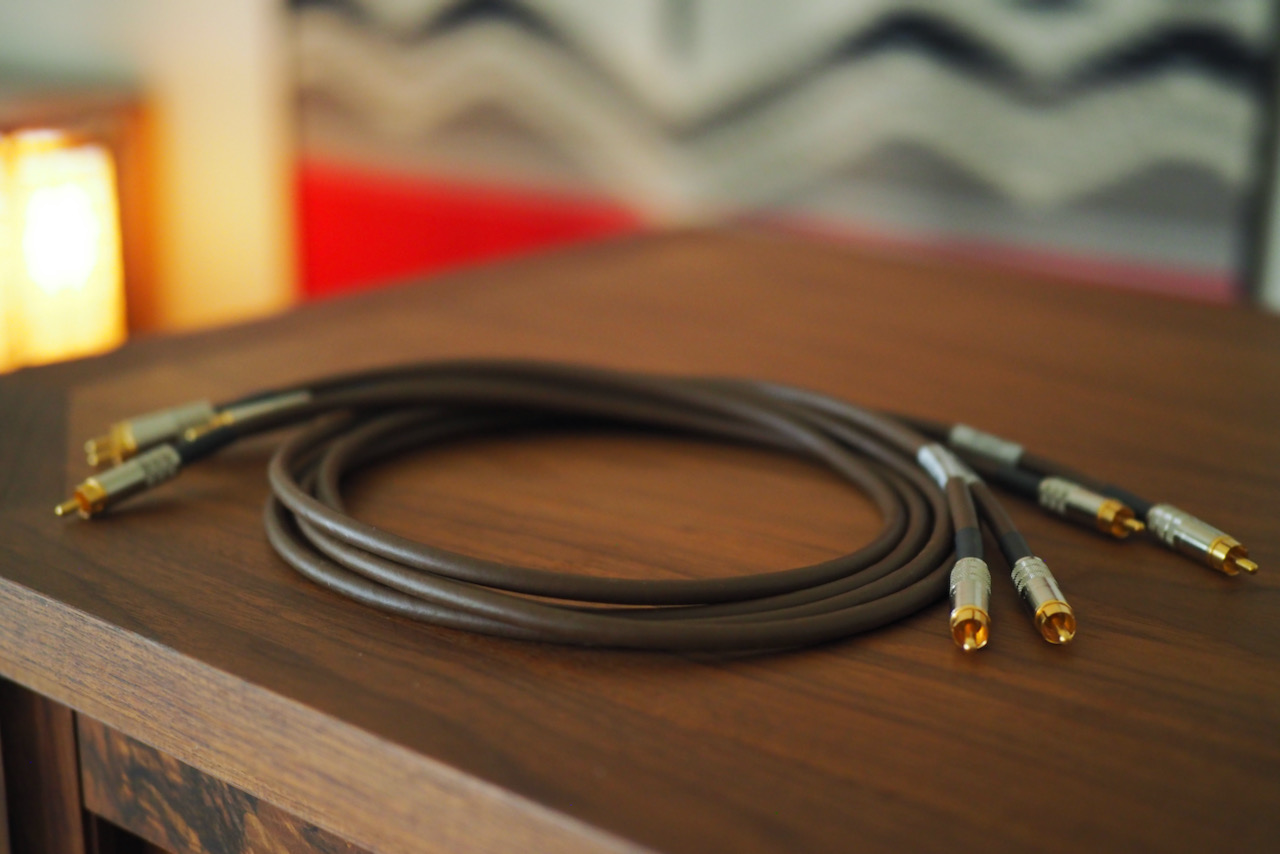
Certainly one of my favorite affordable interconnects is the Belden 8402 microphone cable interconnects that Yazaki-san recommended to me.
You can order bulk 8402 from Best Tronics Pro Audio inexpensively HERE. If you're not into soldering up your own 8402s, BTPA will solder a set up for you inexpensively HERE. Highly recommended for great performance on a budget.
Audio Kits: Over the decades I've tried new, used, vintage, DIY, but not audio kits. I've tried to arrange reviews of kits for you as an affordable option and as a learning experience, but every purveyor of kits I've contacted has either ghosted me or told me to piss off. One was particularly insulting about it. Probably not the best way to get people interested in your kits. But still, if you've got the inkling and a soldering iron, I hear that kits can be a rewarding audio adventure, and a great way to learn and expand your audio skills.
I hope those ideas help you with enjoying the audio hobby in a more affordable way.
As always, thanks for stopping by, and may the tone be with you!