

Greetings friends, I hope you are well! 🙂
I've added a new page you should have been able to see in the sidebar, called The Altec Corner. However, for some reason it is not showing in the pages list, so I'll have to check into that and see if I can figure out a fix.
In the meantime, I have published the page in the form of a post, with the text of the new page reproduced below for your reading pleasure - enjoy!
The title is a little bit of a misnomer, as this page isn't just about vintage Altec loudspeakers, which are of course wonderful musical instruments, but rather it is about the merits and demerits of two different loudspeaker design and positioning strategies: room boundary positioning versus rule of thirds/fifths positioning, which has turned into an ongoing meditation on my part.
I chose to call this page the "Altec Corner" for reasons which will become more obvious in a moment.
While writing on the upcoming article about my time with the totally amazing all-silver Audio Note (UK) Ongaku 211 SET integrated amplifier, I went off on a tangent discussing the placement of loudspeakers that was just too long to include in the article, but contained important ideas that I was first made aware of by Peter Qvortrup, ideas that I think you ought to consider for your own audio adventures.
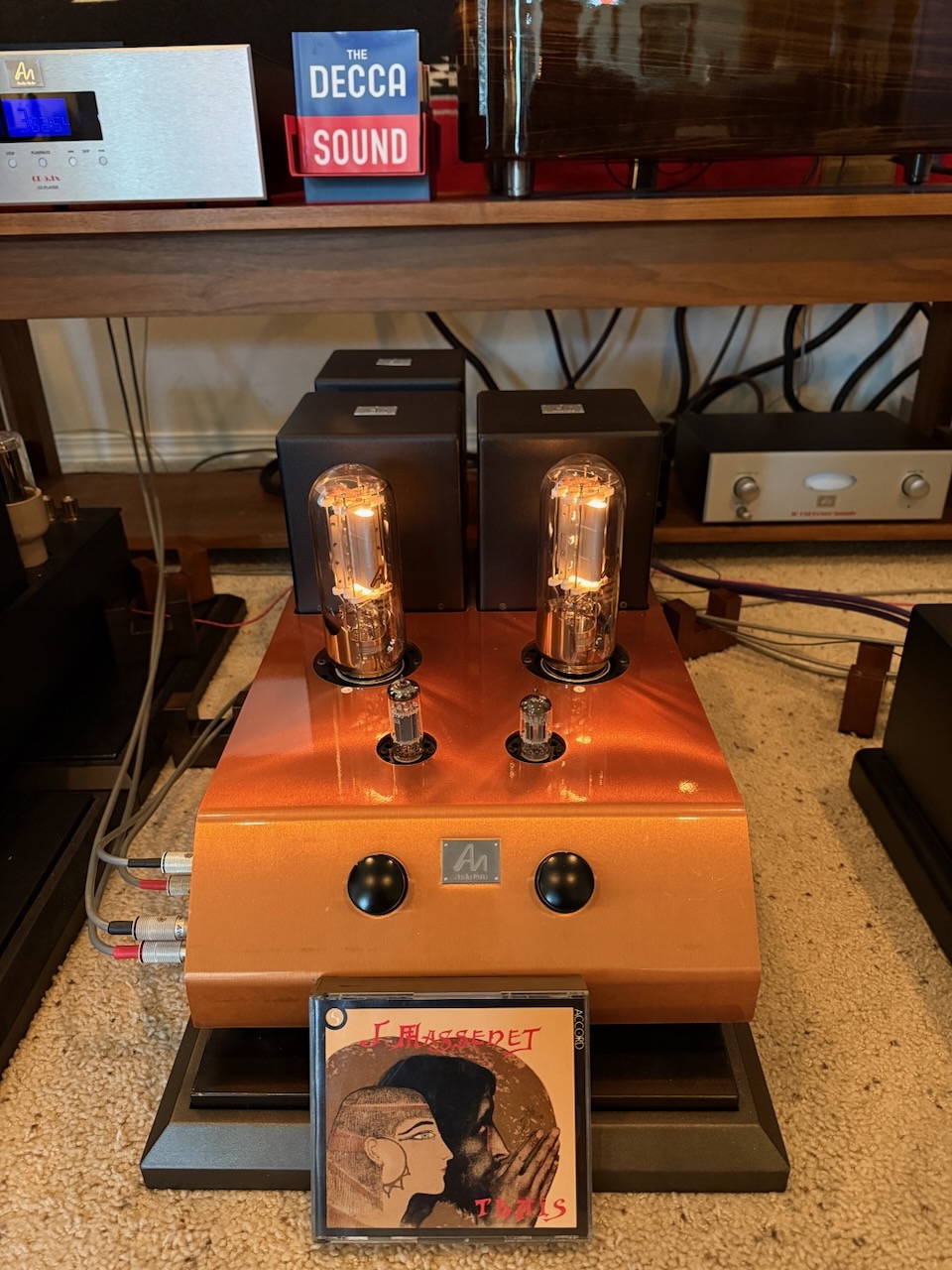
The ideas have to do with choosing your loudspeakers, or perhaps modifying your loudspeakers crossovers, to optimize them for one of two types of room positioning strategies: the first being the orthodox North American audiophile loudspeaker positioning strategy, commonly referred to as "rule of thirds (or fifths)" positioning, and the second being "room boundary" positioning, which is the strategy preferred by Peter Qvortrup, and that's how he designs his Audio Note (UK) loudspeakers to work in rooms.
Both loudspeaker positioning strategies have their merits and demerits, so you have to choose which one best suits you, but I am convincing myself that for most people who love to listen to music, including us audio enthusiasts, that room boundary placement often may be a better choice.
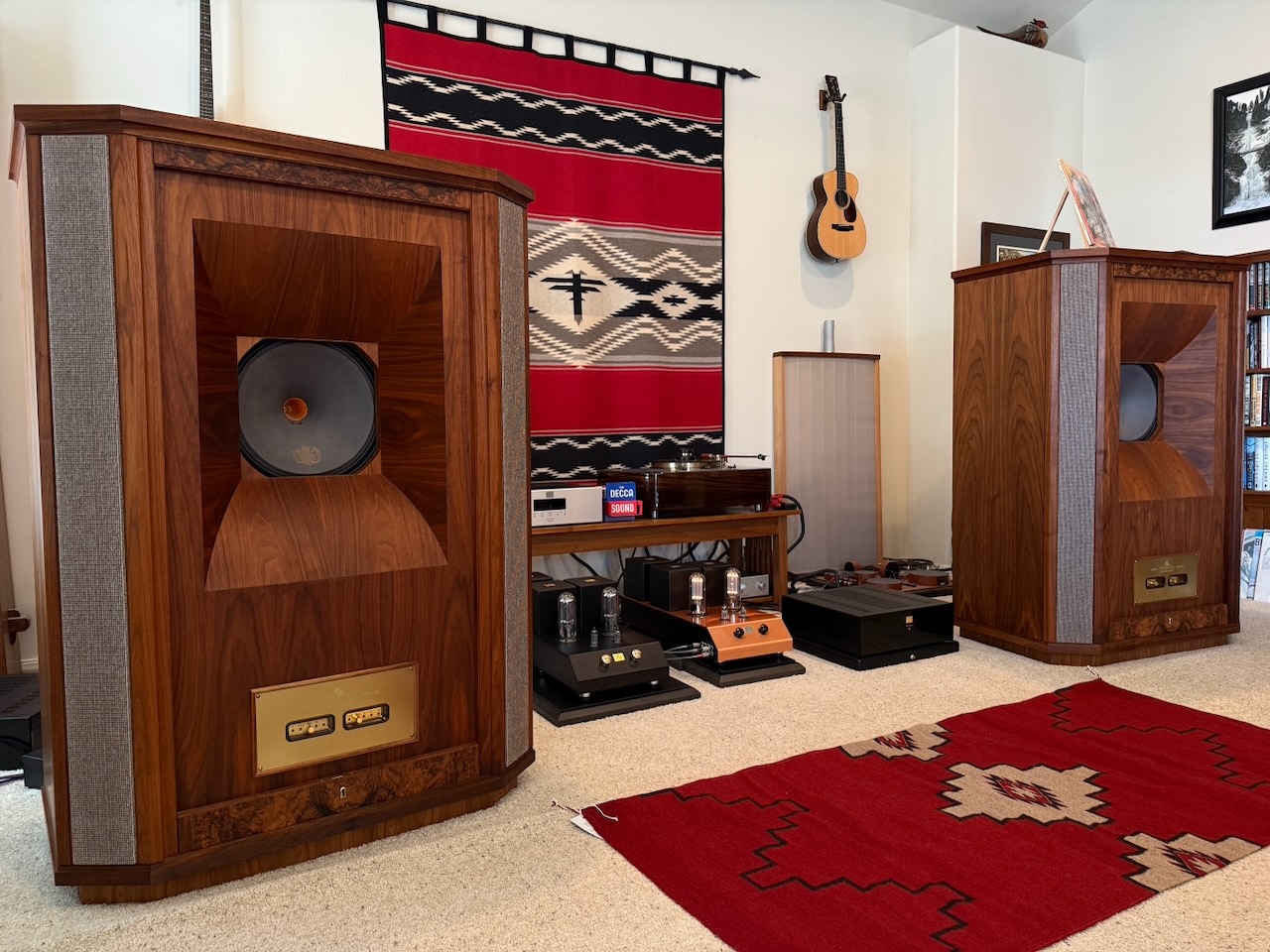
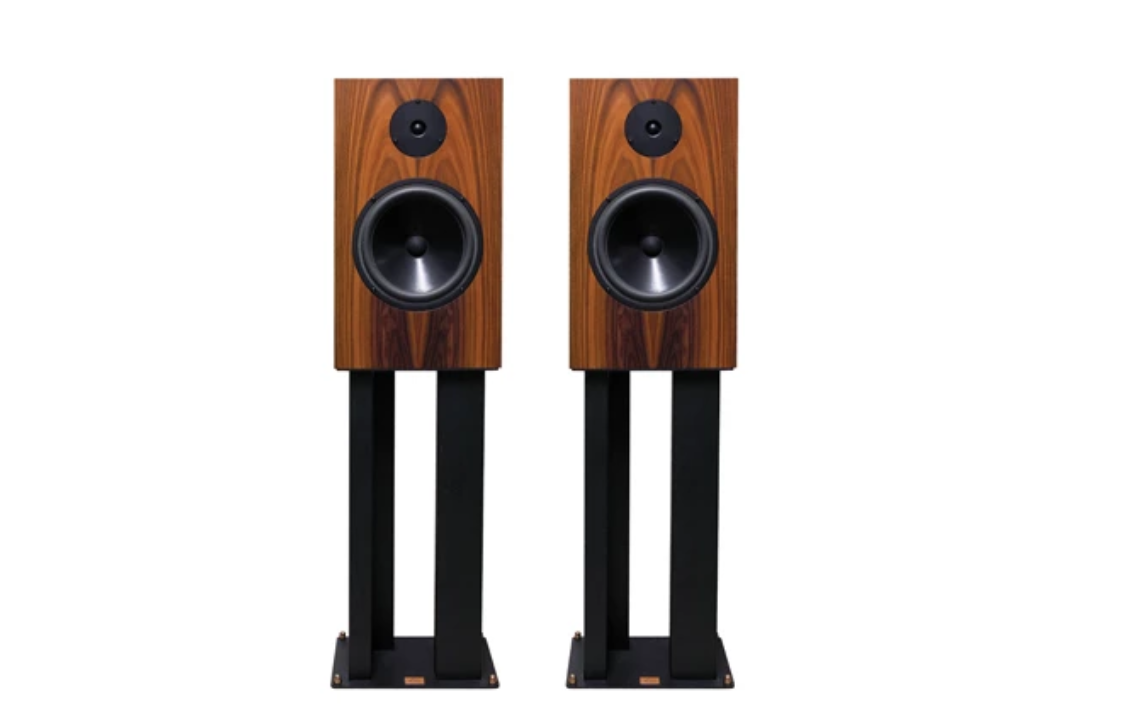
Or you can take my approach: in my home I have four audio systems set up in four different rooms. In one larger room, my living room, I have my Tannoy Westminster Royal SE loudspeakers set up in the traditional audiophile positioning strategy of rule of thirds/fifths (photo above).
In two other smaller rooms - my office (photo below) and my audio-visual room - I have my loudspeakers setup in room boundary positions (i.e. in room corners), and in the fourth room, a larger room (my bedroom), I also have loudspeakers setup in room boundary positions.
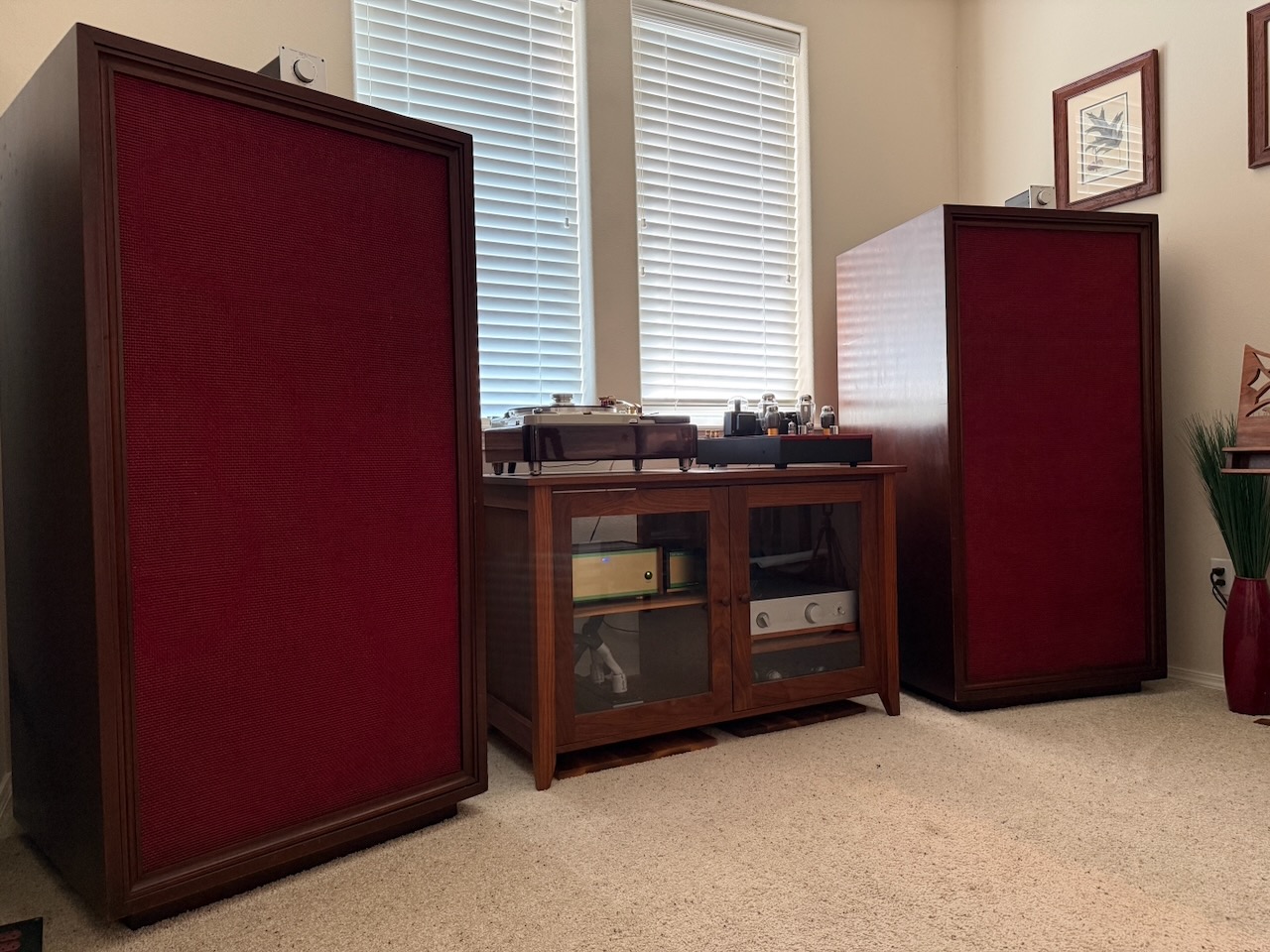
I enjoy both approaches, but for most people who just love listening to music, as well as us audio enthusiasts, I think room boundary loudspeakers placement might be the way to go.
Here's what I wrote and cut out from the Audio Note (UK) Ongaku 211 SET integrated amplifier article I'm writing for Positive Feedback:
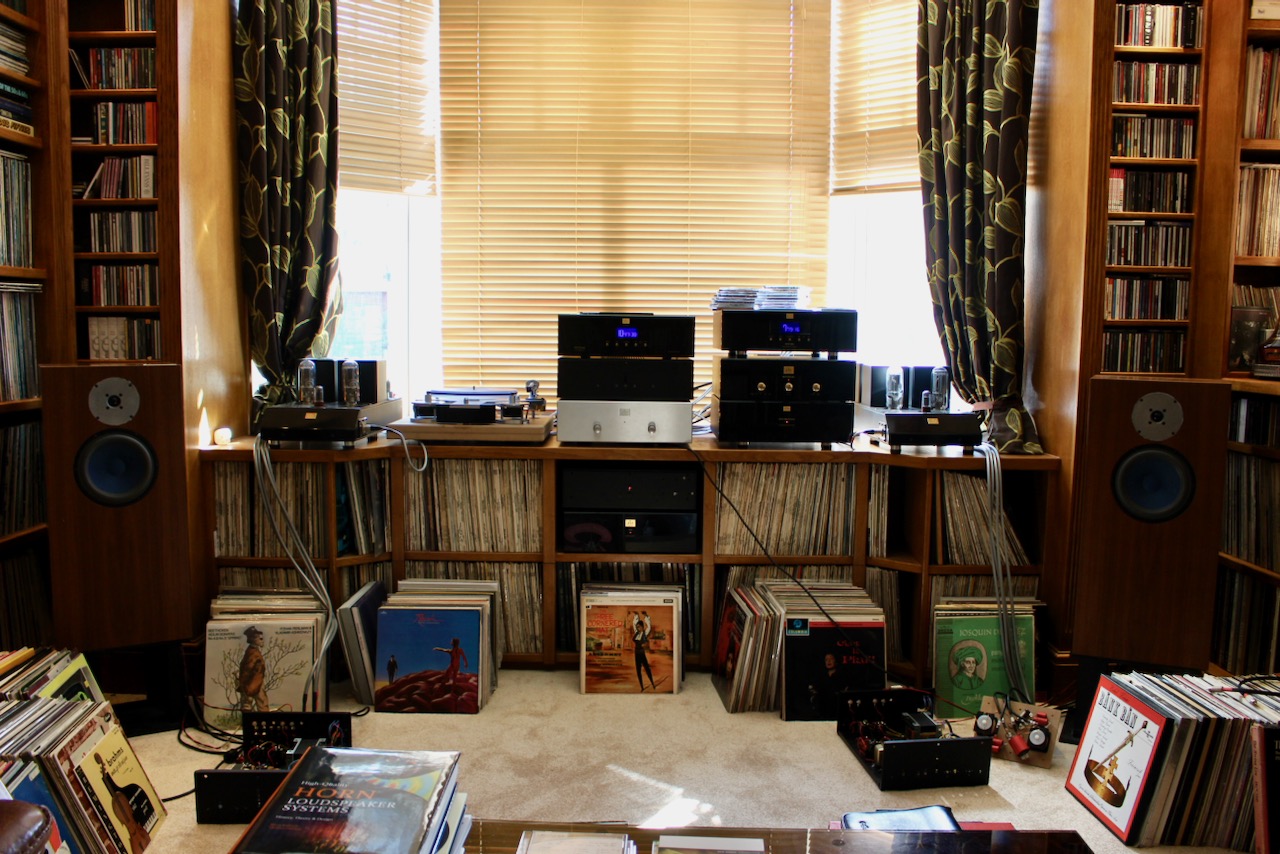
A word about loudspeakers. Peter designs loudspeakers for what is called the “room boundary” approach to loudspeaker positioning. I’m coming to the conclusion that this is a preferred approach for many music and audio enthusiasts. That's Peter's home listening room in the photo below.
This will be a bit of a lengthy discussion before I get to the amazing Ongaku 211 SET integrated amplifier, but take a breath and stick with me on this, as it is important for a number of reasons which I’ll explain.
If you are an audiophile from North America, you may not have heard of the “room boundary” approach to loudspeaker design, so let me explain what this idea is about.
In North America the approach to loudspeaker design that was popularized in enthusiast audio magazines was primarily what you might call the “rule of thirds (or fifths)” approach, where loudspeakers were designed to sit out from the front wall of a room by a third (or fifth) of its span, and away from the side walls. The listening position would be a third of the room’s span out from the back wall, located in the middle between the loudspeakers.
The idea was that this “rule of thirds (fifths)” approach to loudspeaker design could yield a musical presentation that would fill up the space behind the plane of the loudspeakers, with vivid aural images of musicians arrayed throughout the room space in front of a listener, in a way that you could imagine being at a live musical performance.
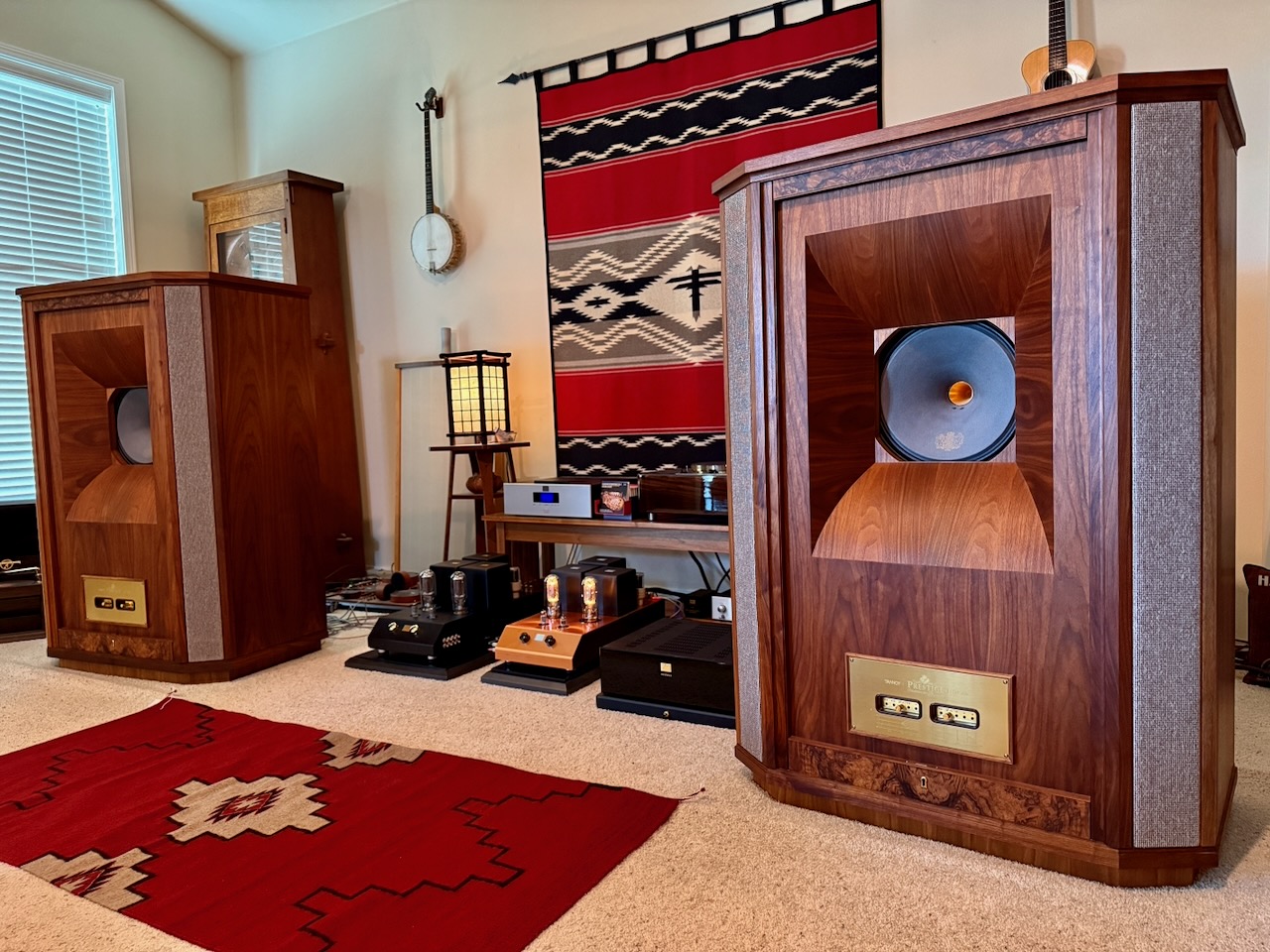
In fact, for this article, this is how I have my Tannoy Westminster Royal SE loudspeakers setup, with the crossover settings being complementary to a rule of thirds/fifths sort of arrangement. The Level Five set of Audio Note (UK) components that are visiting are absolutely stunning with this sort of arrangement. More about this in a moment.
As old North American audiophiles know - like myself - this sort of “rule of thirds/fifths” loudspeaker setup can provide impressive results, and it has become kind of a North American audio orthodoxy belief that it is the preferred way to do things.
But is that actually true? It turns out that audio orthodoxy belief is not really accurate, for a couple of reasons that I’ll explain, and you might find that your preferred loudspeaker positioning is really a “room boundary” arrangement.
First, with the “rule of thirds/fifths” loudspeaker positioning strategy, it means you will probably need a dedicated room for your audio system, because trying to locate loudspeakers out into the room’s normal living space typically makes life difficult for the non-audio enthusiasts in the household, and is the most often cited reason - well, next to money that is - by spouses to me for being annoyed by the audio hobby.
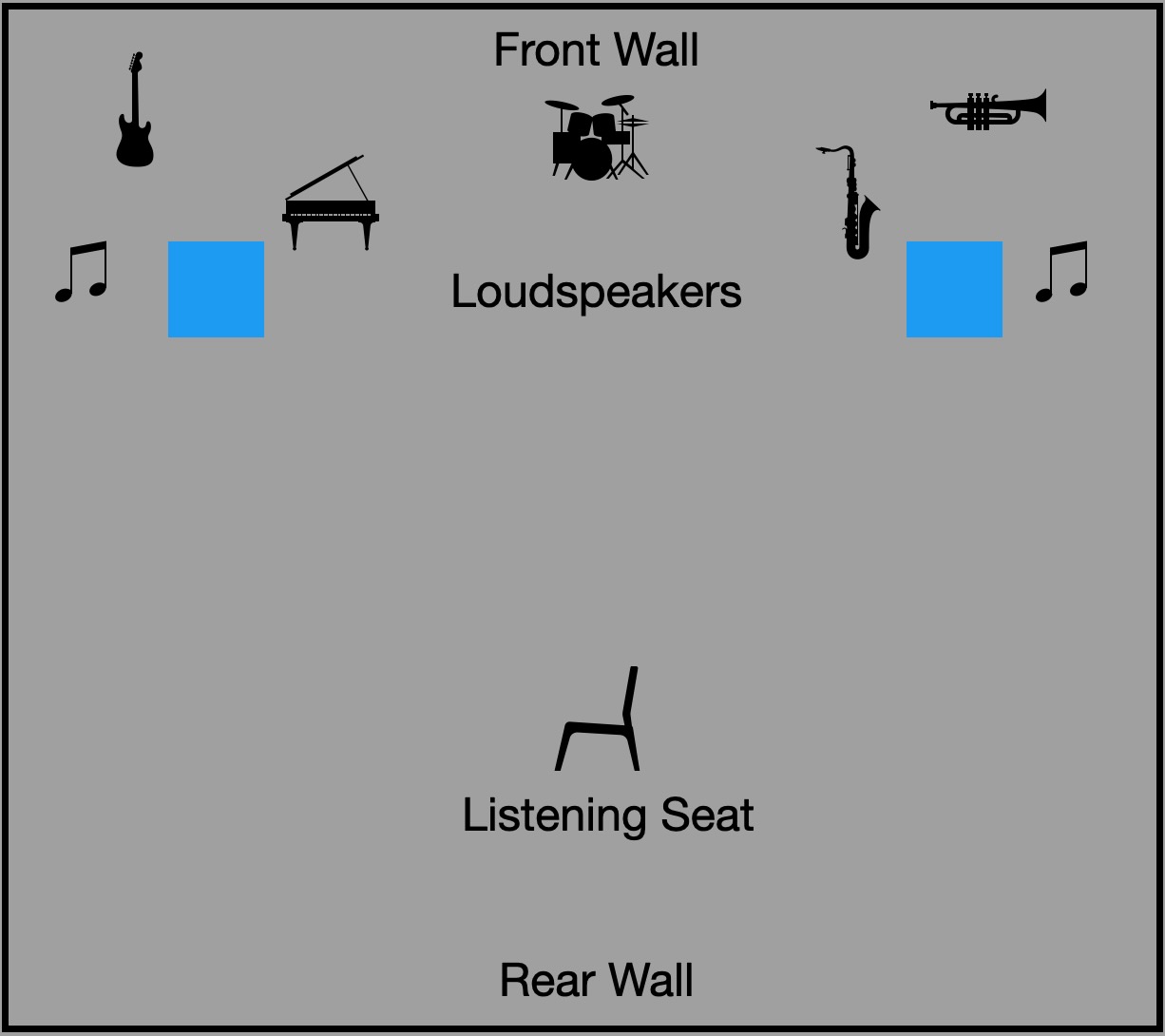
If you have a dedicated listening room, it also means that you will likely need to have the room treated like a recording studio, with room treatments on the walls and in the corners, to counteract the weirdo room resonances and reflections that occur due to that sort of loudspeaker positioning.
Once you have your room optimized for that sort of loudspeaker positioning, there will likely be only one place you can sit in the room where the sound quality is fully optimized.
With Peter’s “room boundary” approach to loudspeaker design, you can position your loudspeakers into the room corners of basically any normal room and get excellent sounding results.
When loudspeakers are designed for room boundary positioning - you can’t do this with just any loudspeakers, they have to be designed for this placement - and you place the loudspeakers into the room corners a couple of very interesting things happen, which I found out when I wrote about listening to Peter’s Audio Note (UK) AN-K/SPe loudspeakers in my office system.
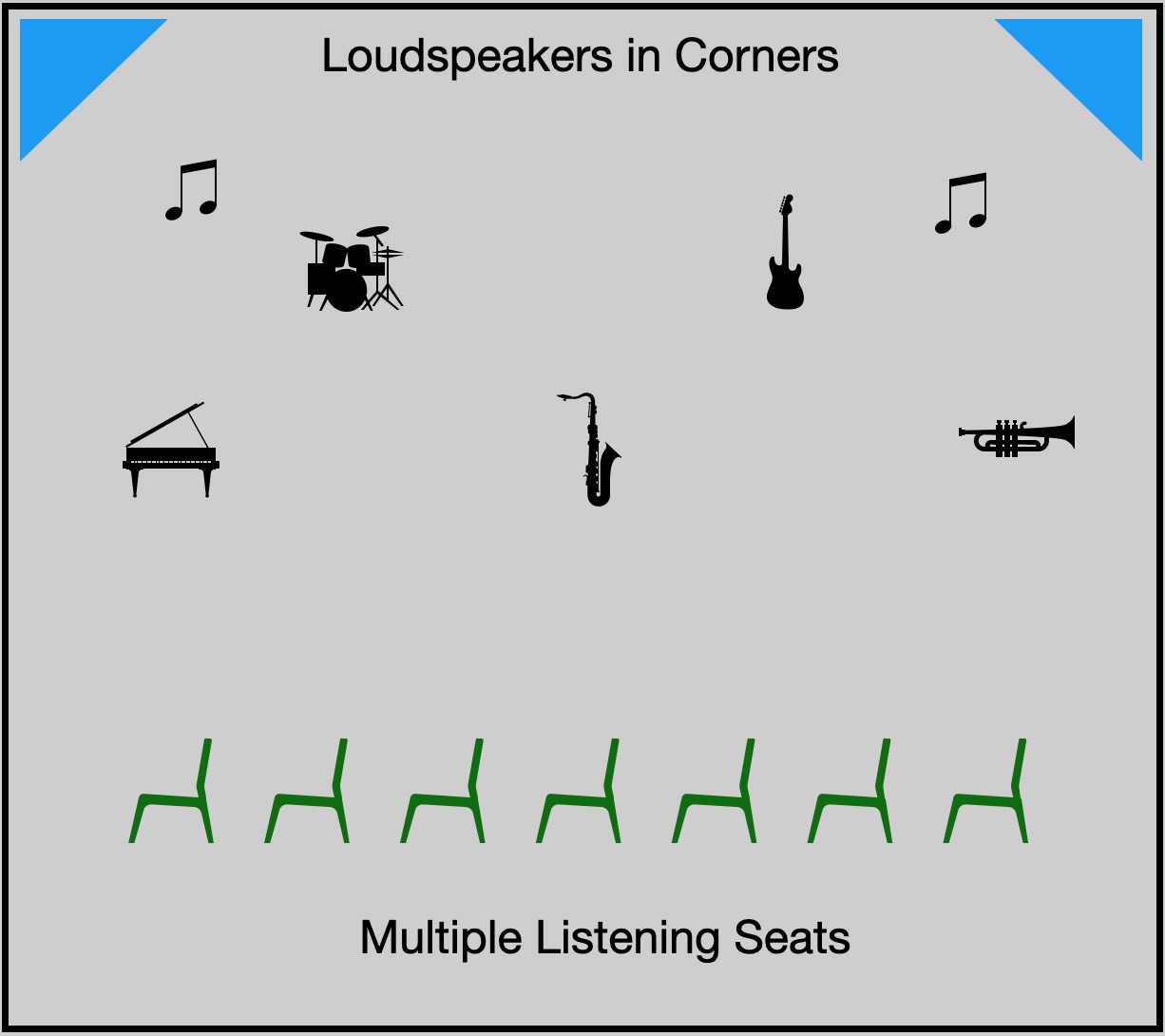
The most obvious result is that because room boundary positioning isn’t room dominating, it frees up precious living space, making it easy to incorporate an audio system into a room without interfering with living in the room. A big plus with spouses. It is also a real benefit for smaller rooms like my office, where rule of thirds/fifths positioning just doesn’t work.
Secondly, the need for room treatments is greatly minimized, you probably won’t need any, and so you can have normal furniture and decor in a room without a sonic penalty.
Also, you’re not constrained to one seating location with room boundary positioning, the potential seating locations really opens up, and you can sit almost anywhere you want and get a good listening session in. That’s my experience.
Thirdly, which I first became aware of listening to the AN-K/SPe loudspeakers in my office system, is that something remarkable happens with monaural recordings, in that they spread out across the room and give a stage width more comparable to that of stereo recordings.
In rule of thirds/fifths loudspeakers positioning, monaural recordings tend to have an unnatural narrowing of the soundstage width in comparison to stereo recordings.
With room boundary positioning the monaural musical world opens up, giving monaural recordings at least as wide of a soundstage as stereo recordings, making exploring important early recordings of musical performances much more accessible and enjoyable. Addicting even.
I also mentioned that I thought the depth dimension of the soundstage with room boundary positioning was somewhat diminished, but that turned out not to be accurate. Rather, it was a function of the smaller room size I had the AN-K/SPe loudspeakers in, and the location of my listening position. More on this in a moment.
After I wrote about Peter’s AN-K/SPe loudspeakers, and they departed for their next destination, I set off on an audio adventure that is still ongoing: exploring room boundary positioning strategies for loudspeakers, and I have made some interesting discoveries along the way.
Currently I have four audio systems set up in my home in four different rooms. In my living room, a fairly sizable room, I have my Westminster Royal SE loudspeakers setup in the traditional audiophile rule of thirds/fifths positioning, and that’s the system I typically use for reviews.
In my other three rooms the loudspeakers are all setup in room boundary positions. In the photo below is my A-V system, with loudspeakers setup in room boundary positions in a smaller spare bedroom.
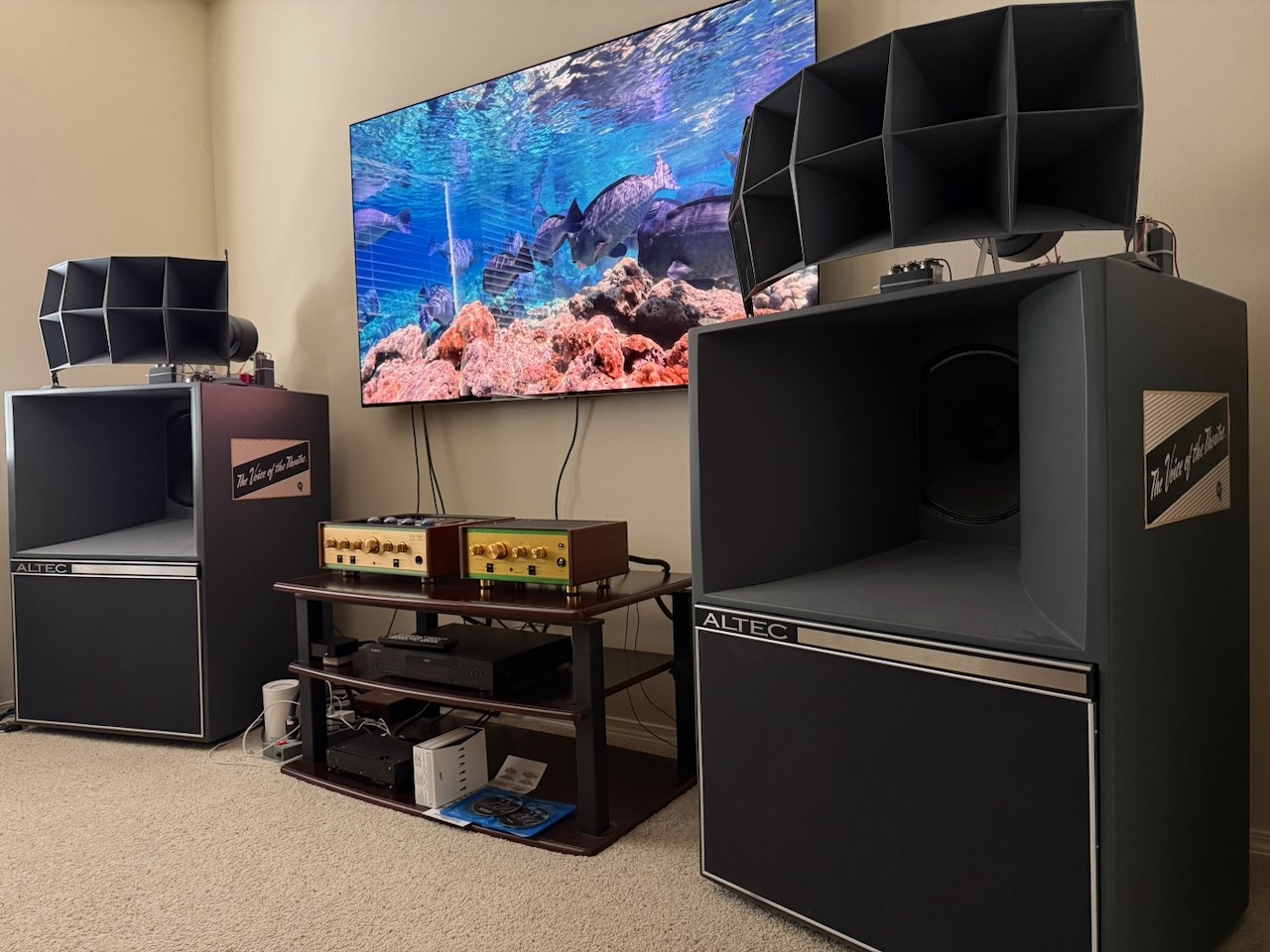
As most of you know, I have a particular fondness for vintage Altec loudspeakers of high-sensitivity, because they work great with low-powered tube amplifiers that I love. I still get the shivers of enjoyment when I think about the level of performance I was getting from the Meishu 300B SET integrated amp when paired with my A5s.
The interesting thing about vintage Altec loudspeakers is that they were designed for pro audio use in rooms of all different sizes with varying loudspeaker positioning needs, from behind the screens in movie theaters, to concert venues, to recording studios, in churches, and even in homes.
As a result they needed adjustable crossovers that could accommodate a large variety of room sizes and positioning needs.
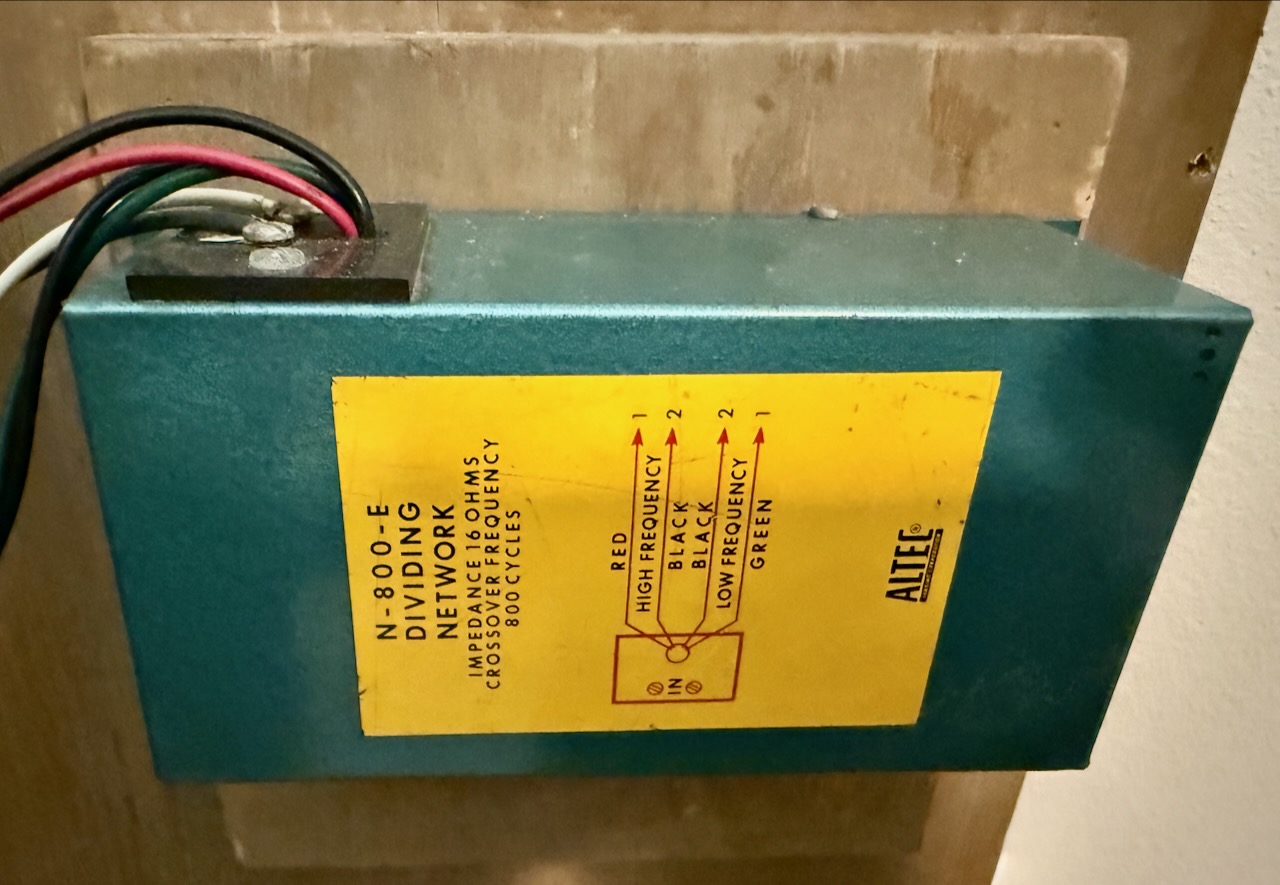
I’ve found that the adjustable nature of Altec crossovers makes them easy to get dialed in for room boundary placement.
All I have to do is adjust the high-frequency output of the compression drivers to be balanced with the output of the low-frequency drivers at the listening position(s), when the loudspeakers are positioned in room corners, and presto, magic happens!
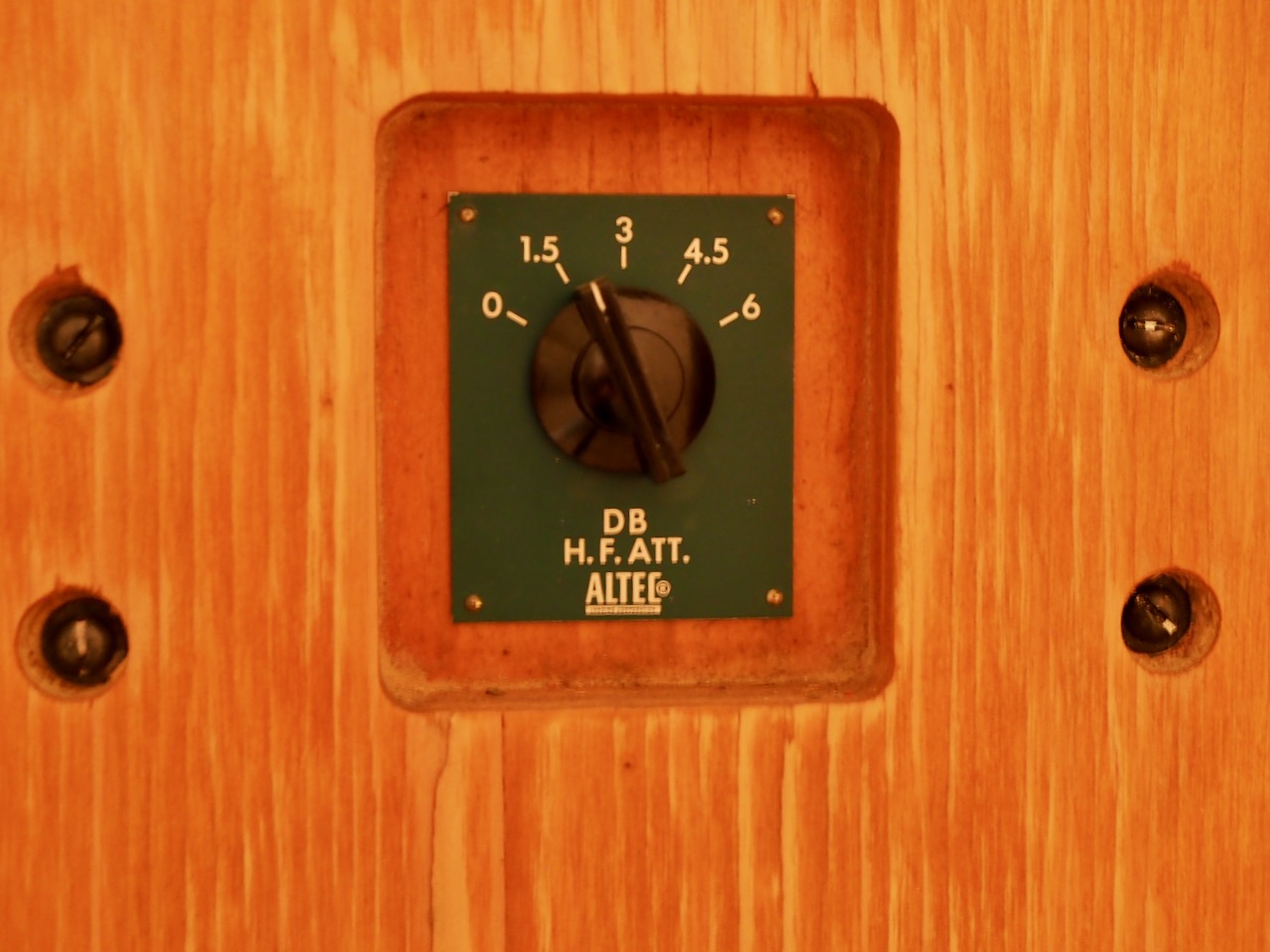
What’s even more interesting to me is that you can fit even gigantic vintage Altecs into smaller rooms - normally a no-no - using crossovers adjusted for room boundary positioning, and get superb results.
Or you could just be sensible and buy a pair of Audio Note (UK) loudspeakers that are designed for room boundary placement to begin with.
It looks a little strange having big speakers in small rooms, at least until you listen to them and realize how brilliant this sort of arrangement can be in the way it immerses you into the recording space and emotional context of a musical performance.
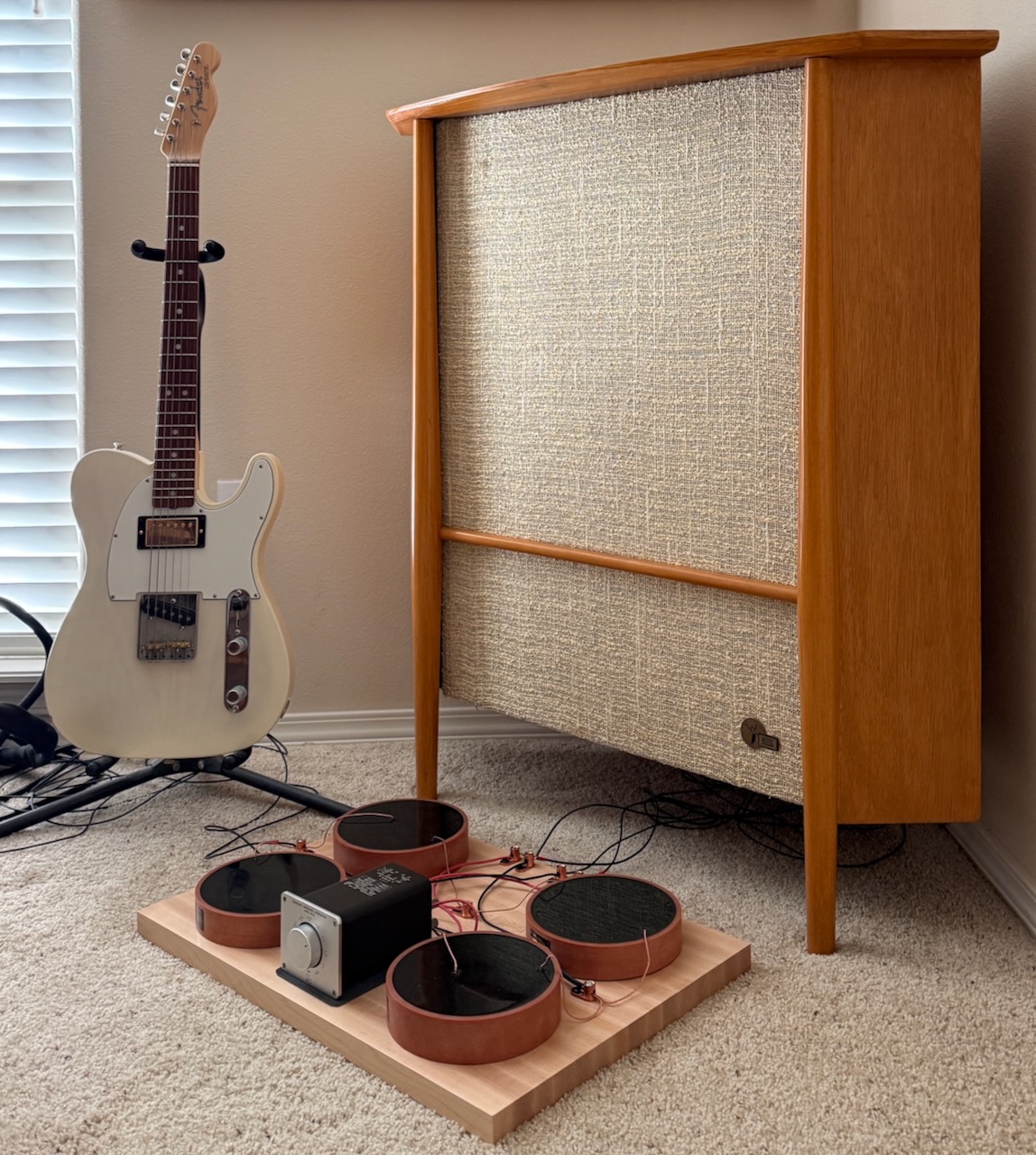
In the photo above is one of my pair of vintage 832A Altec Corona loudspeakers, modified with Duelund CAST copper crossovers, and equipped with vintage Luxman AS-10 transformer-based constant impedance attenuators. I am a huge fan of vintage Altec 832A Corona loudspeakers!
One particularly interesting note about the Corona loudspeakers is that they were designed for room boundary placement by Altec back in the 1950s, so if you think room boundary placement is a new idea, it isn't. Room boundary loudspeaker designs have been successfully used for decades.
I also love that Altec equipped them with adjustable crossovers instead of fixed crossovers, so one could attenuate the high-frequency output to match one's room, or listening preference, as the case may be.
Another interesting tidbit to think about: Did you know that people perceive the SPL levels of high-frequencies differently depending on the size of their ear canal? While there is variability, women and children, and some men, tend to have smaller ear canals, which amplifies high-frequencies.
Ever wonder why fewer women are interested in audio than men? I think the perceptions of high-frequencies is part of that. They don't like hearing ear-piercing high-frequencies from loudspeakers typically designed by men for men. It hurts!
I would love to see all crossovers equipped with the ability to attenuate high-frequencies by 6dB, which Altec figured out decades ago, and which would make the loudspeakers much more suitable for dialing them into the hearing perceptions of a wider range of listeners, and perhaps, more importantly, opening up the hobby to more women.
Remember how I said I had thought that room boundary placement resulted in a diminished sense of soundstage depth?
Well that turns out to not necessarily be the case. What I've found with room boundary placement of loudspeakers is that they respond similarly to the size of the room as do rule of thirds/fifths placement of loudspeakers.
Rule of thumb: smaller rooms give diminished soundstage performance compared to larger rooms for both loudspeaker positioning strategies.
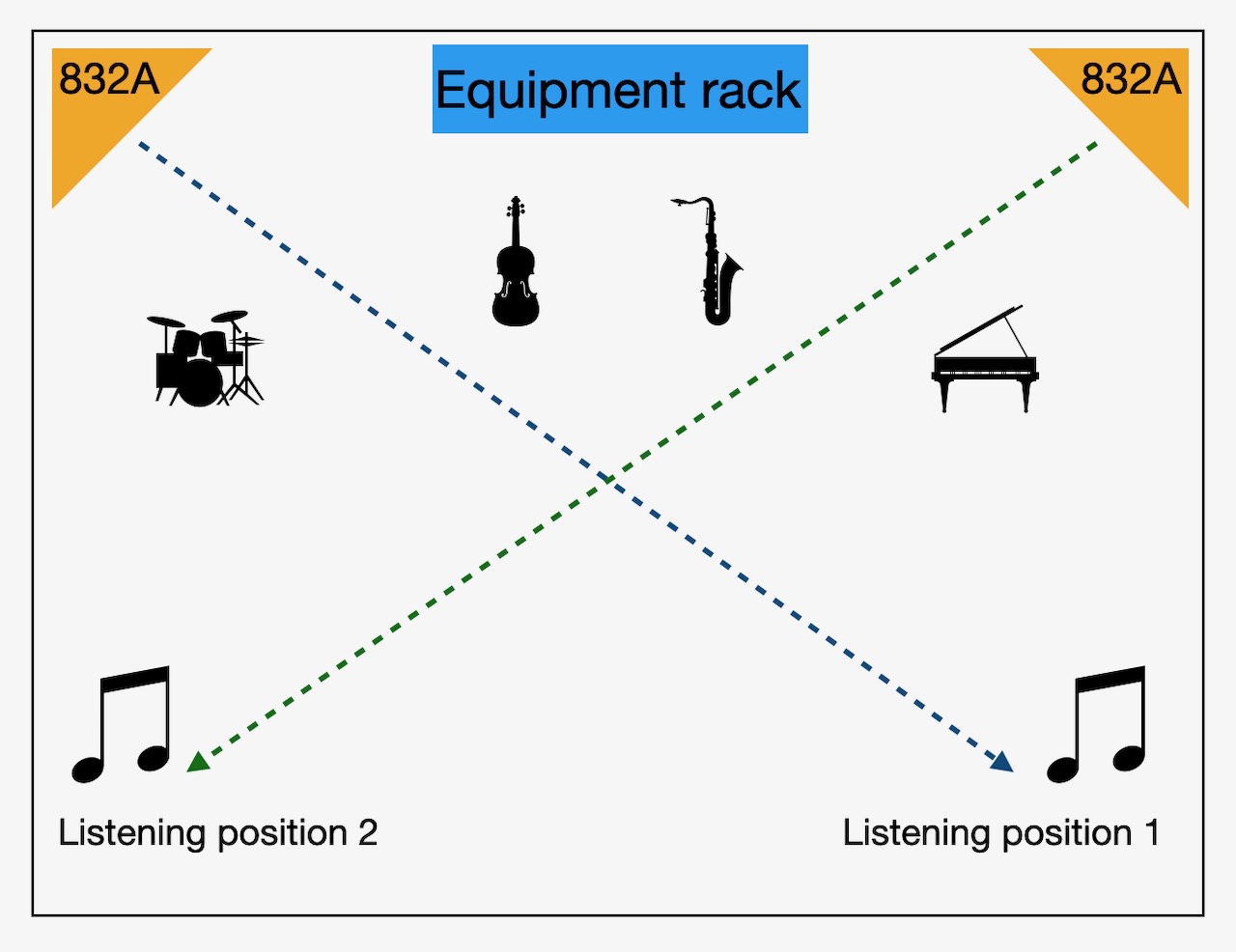
However, I observed something really fascinating happening with soundstage depth and width in larger rooms for room boundary loudspeaker positioning, particularly when the listening positions are as shown in the digram above.
First of all, regardless whether I'm listening to early monaural recordings, or the best-of-the-best stereo era recordings, soundstage width is generally wall-to-wall.
What took me by surprise was that in this larger room context - my bedroom is nearly the same size as my living room - when seated as in the digram above, not only was there an impressively wall-to-wall wide soundstage, but that the soundstage depth dimension could be projected out in front of the plane of the loudspeakers by a good 7 or 8 feet, depending on the recording.
I've never experienced that before and I'm really intrigued by the result. Needless to say, that sort of soundstage depth projection is easily in the same league that a rule of thirds/fifths orientation is capable of, and I kind of like that the soundstage is in front of the plane of the loudspeakers, instead of behind the plane of the loudspeakers, as then the speakers sitting in middle of a room aren't a focal point, and are thus less of a distraction from the music.
Ok, this isn't the end of this story. Rather, consider this to be an ongoing exploration of room boundary positioning of loudspeakers.
If I had come across this sort of success with room boundary positioning years ago, well ... who knows what the result might have been?
For now I am enjoying both approaches, the rule of thirds/fifths positioning strategy that I use with my Tannoy Westminster Royal SE loudspeakers in my living room system, and the room boundary positioning strategy that I'm using in my other three audio systems.
If you start exploring this topic, let me know what your experiences are.
As always, thanks for stopping by, and may the tone be with you!